
Creating an indoor relaxation space in your home?

A dedicated area for unwinding at home offers a significant advantage for mental well-being, providing a much-needed escape from daily stresses. Creating an indoor relaxation space in your home doesn’t require a large footprint or an extensive budget; it primarily calls for thoughtful planning and a focus on personal comfort. Such a space acts as a personal retreat, a quiet corner where one can recharge, read, meditate, or simply sit in peace, fostering a sense of calm and reducing the pressures of a busy life.

Overview

  • An indoor relaxation space is a personal sanctuary designed for peace and unwinding.
  • It can be created in any size area, from a small corner to an entire room.
  • Key elements include comfortable seating, soft textures, and calming aesthetics.
  • Sensory inputs like lighting, sound, and scent play a crucial role in setting the mood.
  • Decluttering and maintaining order are essential for a truly peaceful environment.
  • This space supports mental health by offering a break from daily demands.
  • Personalization ensures the space genuinely reflects individual preferences for relaxation.
  • The setup aims to minimize distractions and maximize comfort for deep rest.

The Foundation of Your Indoor Relaxation Space

Crafting a dedicated spot for quiet time begins with understanding your specific needs and the resources available within your home. It’s about more than just placing a comfortable chair; it involves curating an environment that systematically reduces stress and invites tranquility. Many households in the US are increasingly prioritizing home comfort and wellness, making these personal havens more popular than ever. A well-designed relaxation area can positively impact daily routines and overall life quality.

Selecting the Right Location for Your Indoor Relaxation Space

The first step in creating your personal haven is identifying the ideal spot. This might be a quiet corner in a living room, a seldom-used guest bedroom, or even a spacious landing. The best locations are typically those away from high-traffic zones, like kitchens or entryways, minimizing interruptions. Consider areas that receive natural light, as sunlight can positively impact mood, but also ensure you have options for dimming or blocking it for moments when you prefer a darker, more introspective atmosphere. A window seat, for instance, offers both natural light and a sense of coziness. If natural light isn’t an option, focus on creating warmth and brightness through artificial means, using soft, indirect light sources. Privacy is another key factor; if the space is open, think about using screens, tall plants, or even strategically placed furniture to create a visual barrier and a sense of enclosure. The chosen location should feel like a distinct area, signaling to your mind that this is where you can let go and truly unwind.

Furnishing Your Indoor Relaxation Space for Comfort

Once a location is chosen, selecting the right furnishings becomes paramount. Comfort should be the guiding principle. A plush armchair, a chaise lounge, a comfortable beanbag, or even a collection of large floor cushions can serve as the primary seating. Add soft textiles such as throw blankets made

Home Organizing Tips Streamline Your Space with Ease
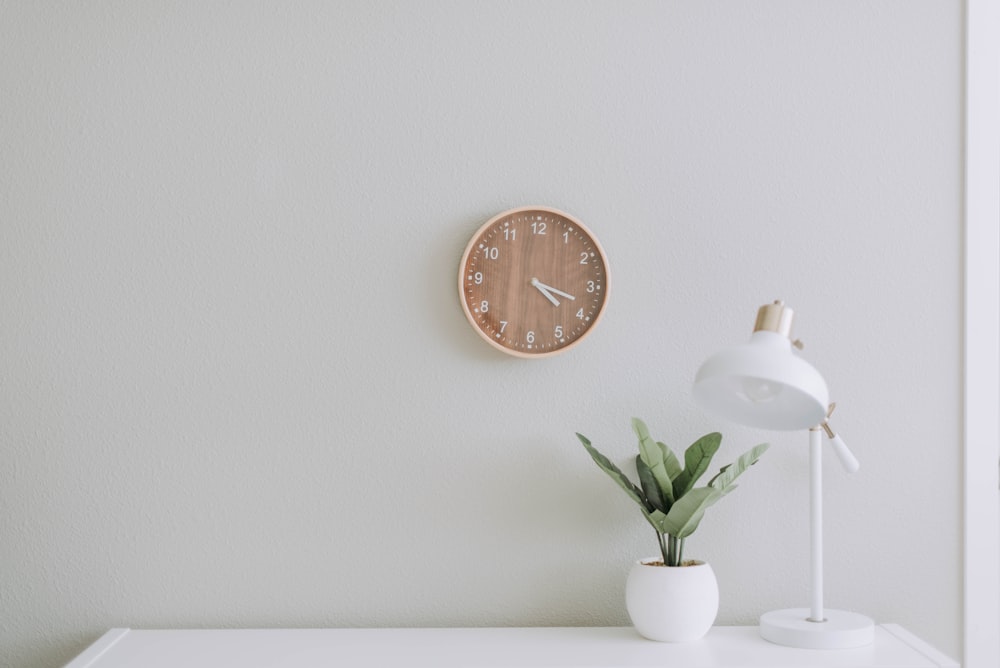
Home Organizing Tips Streamline Your Space with Ease

Keeping your home organized can feel like a never-ending battle, especially in today’s fast-paced world where clutter seems to accumulate faster than we can keep up. However, with the right strategies and mindset, maintaining an organized home can be achievable and even enjoyable. Here are some Home Organizing Tips to help you streamline your space with ease.

Setting Clear Goals

Before diving into the task of organizing your home, take some time to define your goals and priorities. Consider what areas of your home are causing the most frustration and identify specific areas that you’d like to tackle first. Whether it’s decluttering a messy closet, creating a functional workspace, or establishing a streamlined storage system, having clear goals will help you stay focused and motivated throughout the organizing process.

Decluttering Mindfully

Clutter is the enemy of organization, so the first step in any organizing project is to declutter your space. Take a systematic approach to decluttering, starting with one area or category at a time. As you go through your belongings, ask yourself whether each item serves a purpose or brings you joy. If not, consider donating, selling, or discarding it. Be ruthless in your decluttering efforts and avoid holding onto items out of guilt or sentimentality. Remember, less clutter means less to organize and maintain in the long run.

Creating Functional Zones

To maintain an organized home, it’s essential to establish functional zones for different activities and purposes. Designate specific areas for tasks like cooking, working, relaxing, and storage, and ensure that each zone is equipped with the necessary tools and supplies. Use furniture, shelving, and storage solutions to delineate these zones and keep them organized and clutter-free. By creating functional zones, you’ll streamline your daily routines and make it easier to find what you need when you need it.

Investing in Storage Solutions

Effective storage is the key to keeping your home organized and clutter-free. Invest in storage solutions that maximize space and make it easy to access and store items. From modular shelving units and stackable bins to drawer organizers and closet systems, there are countless storage options available to suit every space and budget. Choose storage solutions that are both functional and aesthetically pleasing, ensuring that they enhance the overall look and feel of your home.

Establishing Daily Habits

Maintaining an organized home is an ongoing process that requires consistent effort and attention. Establishing daily habits can help you stay on top of clutter and prevent it from accumulating in the first place. Dedicate a few minutes each day to tidying up common areas, putting items back in their designated places, and addressing any clutter hotspots. By incorporating these habits into your daily routine, you’ll prevent clutter from spiraling out of control and maintain a tidy and organized home year-round.

Home Organizing Tips

Ready to streamline your space and conquer clutter once and for all? Explore these home organizing tips and transform your home into a haven of order and tranquility. With clear goals, mindful decluttering,

Home Storage Solutions Organize Your Space Efficiently
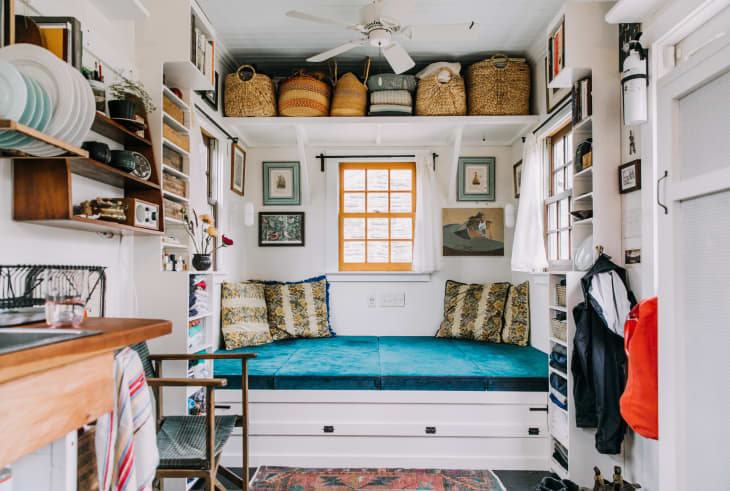
Home Storage Solutions Organize Your Space Efficiently


In the quest for a clutter-free and organized home, implementing effective storage solutions is key. Let’s delve into the world of home storage solutions and explore how they can help you optimize your space and streamline your daily life.

Assessing Your Storage Needs

Before diving into the world of home storage solutions, it’s important to assess your storage needs and priorities. Take a look around your home and identify areas that could benefit from additional storage, such as closets, cabinets, and underutilized spaces. Consider your lifestyle, habits, and the specific items you need to store, and use this information to guide your storage planning process.

Maximizing Closet Space

Closets are often one of the first places to become cluttered and disorganized in a home. Maximize your closet space by investing in smart storage solutions like hanging organizers, shoe racks, and stackable bins. Utilize vertical space with shelves and hooks, and consider adding a closet system or custom shelving to optimize storage and keep your belongings neat and accessible.

Creating Functional Entryway Storage

The entryway is the first impression guests have of your home, so it’s important to keep it organized and welcoming. Create functional entryway storage with pieces like storage benches, coat racks, and wall-mounted organizers. Designate a spot for keys, mail, and other essentials, and consider adding a shoe rack or basket to corral shoes and accessories. With the right storage solutions in place, you can keep clutter at bay and make a stylish statement in your entryway.

Organizing Kitchen Cabinets and Pantries

The kitchen is the heart of the home, but it can quickly become overrun with clutter if not properly organized. Take control of your kitchen cabinets and pantries with storage solutions like drawer dividers, pull-out shelves, and stackable containers. Group similar items together and use labels to easily identify what’s inside. Consider installing a pantry organization system to maximize vertical space and keep your ingredients and cookware within easy reach.

Streamlining Bathroom Storage

Bathrooms are often small spaces with limited storage, making it essential to maximize every inch of available space. Invest in bathroom storage solutions like over-the-toilet cabinets, floating shelves, and shower caddies to keep toiletries, towels, and other essentials organized and accessible. Consider adding baskets or bins to under-sink cabinets to corral cleaning supplies and toiletries, and use drawer organizers to keep makeup and grooming tools tidy.

Utilizing Underutilized Spaces

In many homes, there are underutilized spaces that offer valuable storage opportunities. Look for ways to maximize these spaces with creative storage solutions like built-in shelving, under-bed storage bins, and wall-mounted organizers. Convert awkward nooks and crannies into functional storage areas with custom solutions like built-in bookshelves or window seats with hidden storage compartments.

Investing in Multi-Functional Furniture

When space is at a premium, multi-functional furniture can be a game-changer. Look for pieces like storage ottomans, coffee tables with built-in storage, and bed frames with drawers or shelves underneath. These versatile pieces not only provide extra storage space but also serve double duty by