
What are trending soft goods product concepts?

The world of soft goods is continuously evolving, driven by shifting consumer preferences, technological advancements, and a growing emphasis on ethical production. Understanding the current and emerging soft goods product concepts is crucial for brands and innovators looking to stay relevant and meet market demands. These concepts often reflect broader societal values, from environmental responsibility to the pursuit of comfort and hyper-personalization.

Overview

  • Soft goods product concepts are increasingly centered around sustainability, utilizing recycled, organic, and biodegradable materials.
  • Technological integration, such as smart textiles and embedded sensors, is creating innovative soft goods for health, performance, and daily convenience.
  • The demand for comfort and wellness drives new concepts in loungewear, sleep products, and home textiles designed for relaxation and emotional well-being.
  • Personalization and customization allow consumers to express individuality, leading to made-to-order garments and unique home decor items.
  • Niche markets, including adaptive clothing and specialized performance gear, are expanding the scope of what soft goods can offer.
  • The US market, alongside global trends, shows a strong inclination towards products that offer both functional utility and ethical production.

Trending Soft Goods Product Concepts: Sustainability & Eco-Consciousness

A significant driver in the development of new soft goods product concepts is the global push towards sustainability. Consumers are increasingly informed about environmental impact and seek products that align with their values. This trend manifests in several ways. We see a rise in items made from recycled materials, such as polyester derived from plastic bottles or regenerated nylon from ocean waste. Organic cotton, hemp, and linen continue to gain traction due to their lower environmental footprint compared to conventional alternatives. Brands are also exploring innovative materials like mushroom leather, pineapple leaf fibers, and seaweed-based fabrics.

Beyond raw materials, the focus is on the entire product lifecycle. This includes concepts for repairable clothing, modular designs that allow for part replacement, and textile recycling programs that close the loop on waste. The emphasis is on durability and longevity, moving away from fast fashion towards items that last. Ethical production practices, fair labor, and transparent supply chains are also key components of these sustainable soft goods product concepts, resonating strongly with conscious consumers, particularly in markets like the US.

Trending Soft Goods Product Concepts: Tech Integration & Smart Textiles

The convergence of technology and textiles is opening up entirely new categories of soft goods product concepts. Smart textiles, embedded with sensors, conductive threads, or micro-electronics, are moving beyond niche applications into everyday items. Examples include activewear that monitors heart rate and performance data, sleepwear designed to track sleep patterns, or bedding that adjusts temperature for optimal comfort.

Beyond wearables, smart textiles are also making their way into home goods. Think of curtains that automatically adjust to sunlight, carpets with integrated pressure sensors for safety monitoring, or furniture upholstery with built-in charging capabilities. These innovations aim to make daily life more convenient, healthier, and more connected. The challenge lies in making these technologies seamless, washable, and aesthetically pleasing, ensuring they feel like natural extensions of traditional soft

Unlocking Sales Social Commerce Strategies

Understanding the Social Commerce Landscape

Social media isn’t just a place to connect with friends and family anymore; it’s a thriving marketplace. Consumers are increasingly comfortable buying products directly through their favorite platforms. This shift towards social commerce presents a huge opportunity for businesses to reach and engage potential customers where they already spend their time. Understanding the nuances of each platform, from the visual nature of Instagram to the community-driven aspects of Facebook, is key to crafting effective strategies.

Leveraging Influencer Marketing for Maximum Reach

Influencer marketing remains a powerful tool in social commerce. Partnering with relevant influencers who align with your brand values and target audience can significantly boost brand awareness and drive sales. Authenticity is crucial here; consumers can spot a forced collaboration a mile away. Focus on building genuine relationships with influencers who genuinely believe in your product. This approach ensures more organic engagement and a higher likelihood of conversions.

Creating Compelling Visual Content

In the world of social media, visuals reign supreme. High-quality images and videos are essential for capturing attention and showcasing your products effectively. Think beyond just static product shots; create engaging content that tells a story, demonstrates your product’s features, or highlights its benefits. User-generated content, such as customer testimonials or reviews featuring product photos, can also add a layer of authenticity and trust.

Utilizing Shoppable Posts and Features

Many social media platforms now offer built-in shopping features, such as shoppable posts and Instagram Shopping. These features allow customers to purchase products directly without leaving the app, streamlining the buying process and improving conversion rates. Taking advantage of these features is crucial for maximizing your social commerce potential. Make sure your product listings are well-optimized with high-quality images and accurate descriptions.

Running Targeted Social Media Advertising Campaigns

Organic reach on social media can be limited, which is why targeted advertising campaigns are essential. Social media platforms offer powerful targeting options, allowing you to reach specific demographics, interests, and behaviors. By crafting compelling ad creatives and utilizing relevant keywords, you can ensure your ads are seen by the right people, increasing your chances of generating sales. Regularly analyze your campaign performance to optimize your targeting and ad spend.

Encouraging Customer Engagement and Building Community

Social commerce is all about building relationships. Encourage customer engagement by responding to comments and messages promptly, running contests and giveaways, and creating interactive content. Building a strong community around your brand fosters loyalty and creates a network of advocates who will naturally promote your products to their followers. Active participation and meaningful interactions are essential for cultivating a thriving social commerce ecosystem.

Analyzing Data and Optimizing Your Strategy

Social media platforms provide valuable analytics data that you can use to track the performance of your social commerce efforts. Regularly monitor metrics such as engagement rates, conversion rates, and return on investment (ROI). Use this data to identify what’s working well and what needs improvement. Adapt your strategy based on the insights you gather, continuously refining your approach to

Coordinated Home Color Harmonizing Your Space

Coordinated Home Color Harmonizing Your Space

Mastering the Art of Coordinated Home Color

In the realm of interior design, color is a powerful tool for creating mood, atmosphere, and visual harmony within a space. Coordinated home color takes this concept to the next level, offering a cohesive palette that ties together every aspect of your home decor.

Understanding Color Psychology: Setting the Tone

Color psychology plays a crucial role in determining how we perceive and interact with our surroundings. Warm tones like reds and oranges evoke feelings of energy and excitement, while cool tones like blues and greens promote relaxation and calm. By understanding the psychological effects of color, you can choose hues that align with the desired ambiance of each room.

Creating Flow with a Unified Palette

A coordinated home color scheme is all about creating flow and continuity throughout your space. By selecting a cohesive palette of complementary hues, you can ensure that each room feels connected to the next. Whether you opt for variations of a single color or a carefully curated mix of complementary shades, a unified palette creates a sense of cohesion and harmony.

Elevating Your Space with Coordinated Home Color

Ready to transform your space with a coordinated color scheme? Look no further than Coordinated Home Color for expert guidance and inspiration. With their expertise in color theory and interior design, they can help you create a cohesive palette that reflects your unique style and personality. Visit faberlic-zp.com to learn more and schedule your consultation today.

Balancing Bold and Neutral Tones

When crafting a coordinated color scheme, it’s essential to strike the right balance between bold and neutral tones. While vibrant hues can inject personality and visual interest into a space, too much color can overwhelm the senses. By incorporating neutral shades like whites, grays, and beiges as a backdrop, you can create a sense of balance that allows your chosen accent colors to shine.

Playing with Texture and Finish

Texture and finish also play a crucial role in coordinating home color. Matte finishes offer a subtle elegance, while glossy surfaces reflect light and add a touch of glamour. Mixing textures like smooth surfaces with rough or tactile elements adds depth and dimension to your color scheme, creating visual interest and inviting tactile exploration.

Harnessing the Power of Accent Colors

Accent colors are the secret weapon of coordinated home color, adding pops of personality and visual intrigue to your space. Whether it’s a vibrant throw pillow, a bold piece of artwork, or a statement piece of furniture, accent colors draw the eye and inject energy into your design scheme. By strategically incorporating accent colors throughout your space, you can create a cohesive and dynamic look that reflects your unique sense of style.

Coordinated Home Color: A Reflection of You

At its core, coordinated home color is about more than just aesthetics; it’s a reflection of who you are and how you want to feel in your space. Whether you prefer serene neutrals, bold statement hues, or a mix of both,

Eclectic Home Design Blending Styles for Unique Spaces
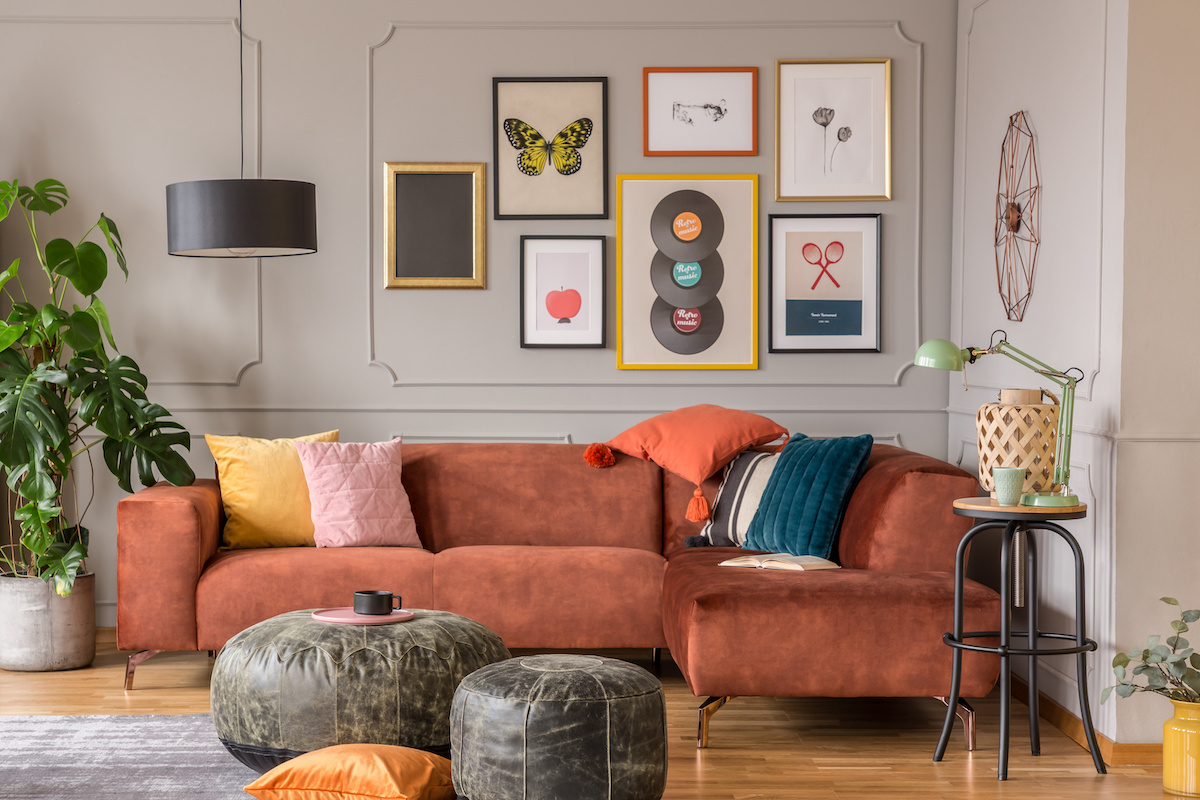
Eclectic Home Design Blending Styles for Unique Spaces

Unleash Your Creativity: Exploring Eclectic Home Design

Eclectic home design offers a world of possibilities for those who dare to think outside the box. By blending different styles, eras, and cultures, you can create a space that’s truly one-of-a-kind and reflects your unique personality and tastes. Let’s delve into the eclectic world of home design and discover how you can bring this bold and dynamic style into your own space.

Mixing and Matching Styles

At the heart of eclectic home design is the art of mixing and matching styles. Whether you’re drawn to mid-century modern, bohemian, industrial, or traditional design, eclectic style allows you to combine elements from different aesthetics to create a cohesive and visually stimulating space. From pairing vintage furniture with contemporary art to mixing bold patterns and textures, the key is to embrace diversity and let your imagination run wild.

Embracing Color and Pattern

Eclectic home design is all about embracing color and pattern in unexpected ways. Don’t be afraid to experiment with bold hues, vibrant prints, and unexpected combinations to add personality and flair to your space. Mix and match patterns like stripes, florals, and geometric shapes to create visual interest and depth, and use color to tie everything together and create a cohesive look.

Curating a Collection of Treasures

One of the hallmarks of eclectic home design is the art of collecting and curating a mix of treasures that tell a story and reflect your interests and passions. Whether it’s vintage finds from flea markets and thrift stores, travel souvenirs, or family heirlooms, incorporating meaningful objects into your space adds depth and character and makes it truly your own. Display your collection proudly and let it spark conversation and intrigue among your guests.

Layering Textures for Dimension

Texture plays a crucial role in eclectic home design, adding depth, warmth, and visual interest to your space. Experiment with a variety of textures, from plush rugs and velvet upholstery to sleek metal accents and natural fibers like jute and rattan. Layering textures creates a rich and inviting environment that invites you to touch, feel, and experience your space on a sensory level.

Balancing Old and New

Eclectic home design is all about striking a balance between old and new, vintage and contemporary. Mix vintage and antique pieces with modern furniture and accessories to create a space that feels fresh, yet lived-in and full of character. Blend different eras and styles to create a timeless and eclectic look that’s uniquely yours.

Creating Unexpected Focal Points

In eclectic home design, every piece has the potential to be a focal point. Whether it’s a bold piece of artwork, a statement-making light fixture, or a unique piece of furniture, don’t be afraid to let your personality shine and create unexpected focal points that draw the eye and capture attention. Mix and match styles and materials to create a sense of drama and intrigue that keeps your space feeling dynamic and alive.

Infusing Global Influences

Eclectic home design celebrates diversity and embraces