
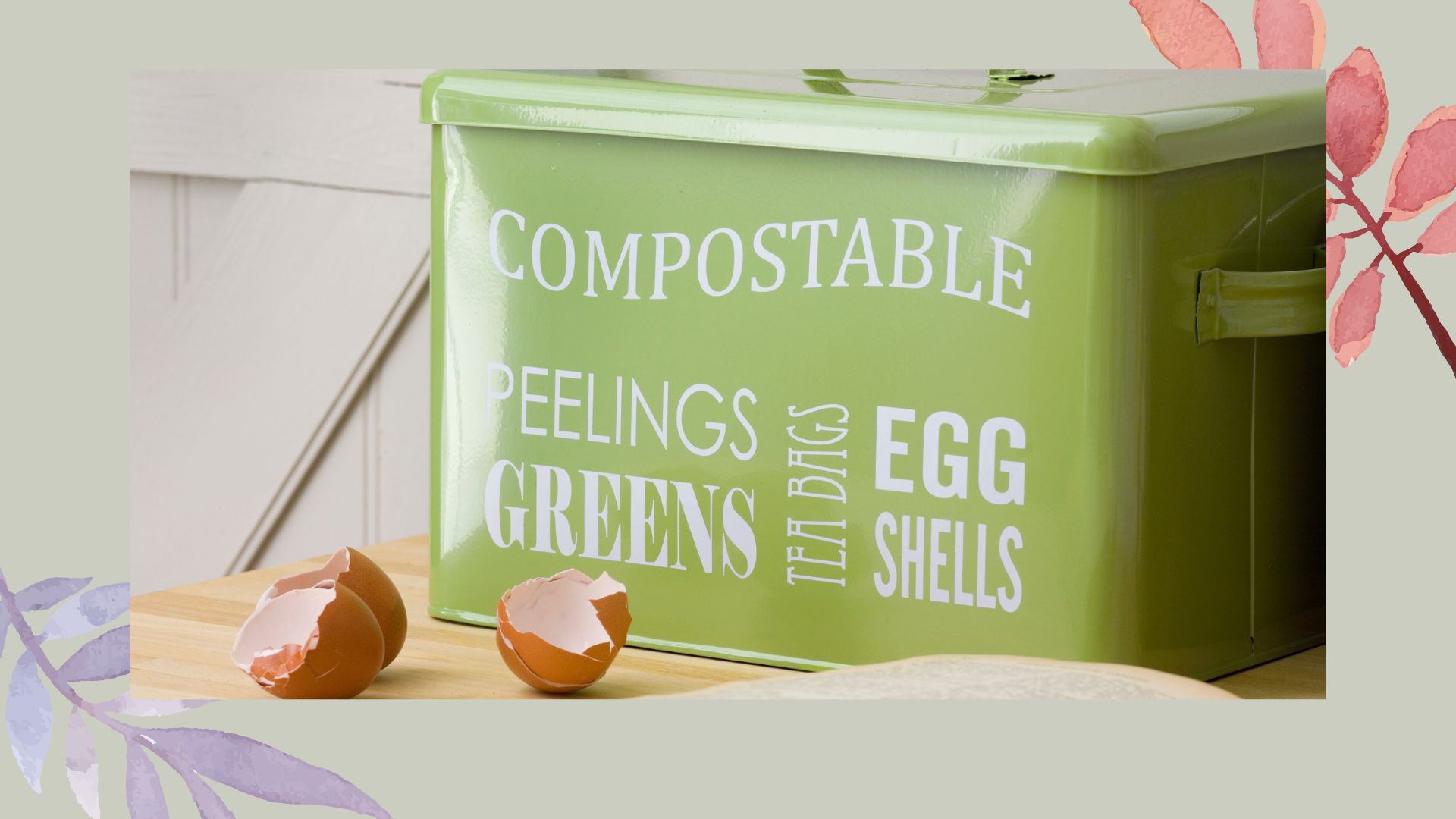
Practical Composting tips for home gardens help gardeners reduce waste and enrich their soil naturally. From my years of working with various soil types and garden layouts, I’ve learned that good compost is the backbone of a thriving garden. It significantly improves soil structure, water retention, and nutrient availability, making plants healthier and more resilient to common garden challenges. Starting a compost pile might seem daunting, but with a few practical steps, anyone can produce excellent organic matter for their home garden.
Overview
- Composting utilizes kitchen scraps and yard waste to create nutrient-rich soil amendment.
- A balanced mix of “greens” (nitrogen-rich) and “browns” (carbon-rich) is crucial for an active pile.
- Proper aeration and consistent moisture levels are key to decomposition and preventing odors.
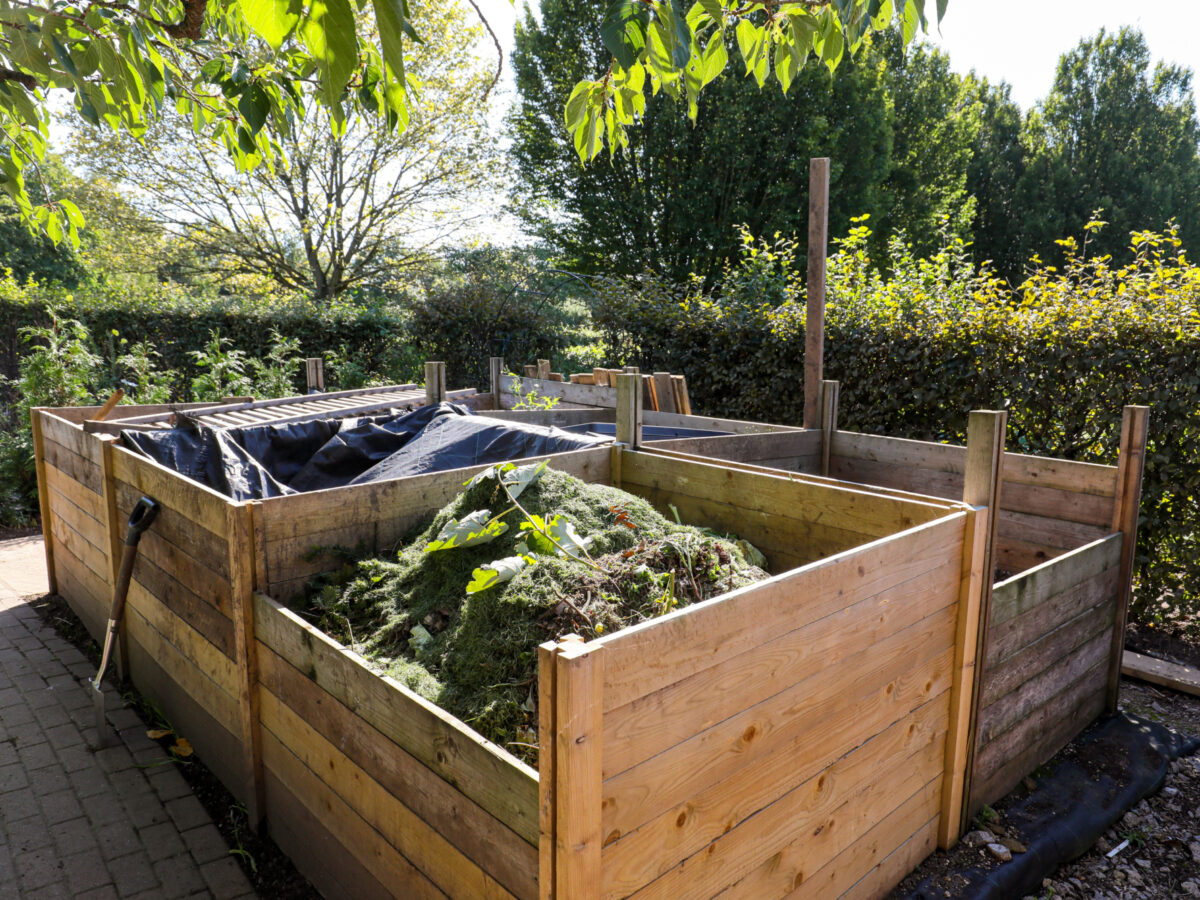
- Compost bins or simple piles are effective; choose what fits your space and budget.
- Troubleshooting common issues like foul smells or slow decomposition is straightforward with simple adjustments.
- Finished compost, resembling dark, crumbly soil, is a valuable addition to garden beds and containers.
Essential Composting tips for home gardens: Getting Started
Setting up your first compost system doesn’t need to be complex. The most important step is choosing a suitable location and a basic container. For many home gardeners, a simple enclosed bin or a designated spot for a free-standing pile works well. Consider accessibility for adding materials and turning, along with proximity to water. A partially shaded area can help maintain moisture during hot US summers.
Understanding the “greens” and “browns” balance is fundamental. Greens are fresh, nitrogen-rich materials like kitchen fruit and vegetable scraps, grass clippings, and coffee grounds. Browns are carbon-rich, drier items such as dried leaves, shredded newspaper, wood chips, and straw. Aim for a ratio of roughly two to three parts browns to one part greens. This balance fuels the decomposition process, preventing odors and ensuring proper breakdown. Layering these materials, starting with a base of coarser browns, helps establish good airflow from the beginning.
Managing Your Pile: Advanced Composting tips for home gardens
Once your compost pile is established, ongoing management ensures efficient decomposition. Regular turning is one of the most effective Composting tips for home gardens. Turning introduces oxygen, which is vital for the aerobic microorganisms responsible for breaking down organic matter. Without enough oxygen, anaerobic bacteria take over, leading to foul smells and a slower process. Aim to turn your pile weekly or bi-weekly, especially if you add new materials frequently.
Maintaining consistent moisture is another critical factor. The compost pile should feel like a damp sponge – moist but not waterlogged. If it’s too dry, decomposition slows to a crawl. If it’s too wet, it can become compact and anaerobic. Water your pile occasionally during dry spells, or add more dry brown materials if it appears too wet. Smaller pieces of material also break down faster, so chopping larger scraps before adding them can speed things up considerably. Avoid adding meat, dairy, or oily foods, as these attract pests and create unpleasant odors.
Troubleshooting Common Composting Issues
Even with the best intentions, compost piles can present challenges. One common issue is a bad smell. If your pile smells rotten or like ammonia, it often indicates an imbalance. A putrid smell usually means too much nitrogen (greens) and not enough oxygen. Try turning the pile more frequently and adding a generous layer of dry brown materials like shredded leaves or wood chips. An ammonia smell suggests an excess of greens, so add more browns to balance it.
Another frequent problem is a pile that isn’t breaking down or heating up. This can be due to a lack of moisture, insufficient greens, or too little oxygen. Check the moisture level; if dry, water it thoroughly. If it’s mostly browns, add some fresh grass clippings or food scraps. If it’s compact, give it a good turn to introduce air. Pests like rodents or flies can be problematic; ensure your bin is enclosed or that food scraps are buried deep within the pile and covered with brown material to deter them.
Applying Finished Compost in the Garden
Knowing when your compost is ready for use is key to maximizing its benefits. Finished compost will be dark brown, crumbly, and have an earthy smell. You won’t be able to distinguish the original materials. The temperature inside the pile will have cooled down, indicating that most of the intense microbial activity has subsided. This process can take anywhere from a few weeks to several months, depending on your pile management and the materials used.
Once ready, compost is incredibly versatile for the home garden. Spread a 1-2 inch layer over your garden beds in spring before planting, or in the fall to prepare for the next season. It can be lightly incorporated into the topsoil or left as a mulch. For container plants, mix compost with potting soil to provide a nutrient boost and improve drainage. It also works wonders when planting new trees or shrubs, improving the soil structure in the planting hole. Regular application of compost builds healthy, fertile soil year after year, greatly benefiting plant health.