
Is Debt Collection Sydney Legit?

The question of legitimacy surrounding Debt Collection Sydney is paramount for both creditors seeking to recover funds and debtors facing collection efforts. In Australia, the debt collection industry operates within a defined legal and ethical framework designed to protect all parties involved. A legitimate Debt Collection Sydney operation adheres strictly to these regulations, ensuring fair practice, transparency, and respect for individual rights, particularly when dealing with commercial debt recovery. Understanding what constitutes a legitimate service is crucial for businesses aiming to recoup outstanding invoices without jeopardizing their reputation or legal standing. This article explores the facets of legitimate debt collection in Sydney, detailing the operational standards, regulatory environment, and best practices that define reputable agencies.

Key Takeaways

  • Debt Collection Sydney operates under strict Australian legal and ethical guidelines, ensuring legitimacy.
  • Legitimate agencies adhere to the Australian Competition and Consumer Commission (ACCC) and Australian Securities and Investments Commission (ASIC) Debt Collection Guidelines.
  • Commercial debt recovery involves recovering funds owed by businesses, requiring specific legal understanding.
  • Reputable Debt Collection Sydney firms prioritize fair communication, transparency, and verified debt information.
  • Businesses should perform due diligence when selecting a debt collection agency to ensure they are licensed and compliant.
  • Understanding the red flags of illegitimate practices helps protect both creditors and debtors from unscrupulous operators.
  • Engaging a legitimate agency can significantly improve cash flow for businesses by effectively recovering outstanding commercial debts.
  • Legal processes, when necessary, are handled professionally by legitimate agencies, adhering to court procedures.

Understanding Legitimacy in Debt Collection Sydney

Legitimacy in Debt Collection Sydney hinges on adherence to established laws and ethical standards. For businesses grappling with outstanding commercial debts, ensuring that a chosen debt recovery partner operates legitimately is not just about effectiveness, but also about protecting one’s own legal standing and reputation.

  • What legitimate Debt Collection Sydney entails:
  • Operating strictly within Australian federal and state laws, primarily governed by the ACCC/ASIC Debt Collection Guidelines.
  • Maintaining transparent communication with debtors, providing clear information about the debt, and offering avenues for resolution.
  • Employing professional and respectful communication tactics, avoiding harassment, intimidation, or misleading conduct.
  • Verifying the existence and accuracy of the debt before initiating collection activities.
  • Protecting debtor privacy and data in accordance with Australian privacy legislation.
  • Why legitimacy is critical for commercial debt recovery:
  • Ensures legal compliance for both the agency and the creditor, mitigating risks of legal action against either party.
  • Preserves the creditor’s business reputation by associating with ethical practices.
  • Increases the likelihood of successful debt recovery through professional engagement rather than aggressive tactics that can backfire.
  • Upholds consumer rights and fair trading principles within the financial services sector.

The Regulatory Framework for Debt Collection Sydney

The landscape of Debt Collection Sydney is shaped by a robust regulatory framework designed to ensure fairness and prevent abuse. These regulations apply across Australia and are particularly relevant for commercial debt recovery operations within Sydney.

  • Where does Debt Collection Sydney operate under these laws:
  • Across all of New South Wales, including Sydney, and generally across Australia.
  • Debt collection agencies must comply

Proven Wealth building through passive income methods

Learn proven methods for building lasting wealth through passive income streams. Real-world insights and expert strategies for financial independence.

My experience in personal finance has shown that true financial security often comes not from trading time for money, but from creating systems that generate income independently. This shift in mindset, from active earning to passive generation, is fundamental. It allows individuals to detach their income potential from their daily labor, opening doors to greater freedom and stability. For many, this journey begins with a clear understanding of what passive income truly entails and a commitment to strategic, consistent implementation.

Overview

  • Wealth building through passive income relies on creating consistent earnings without active daily involvement.
  • Early stages require initial capital, time, or specialized knowledge to set up income-generating assets.
  • Real estate, particularly rental properties, stands as a traditional and effective method for passive income.
  • Digital products, online courses, and content monetization offer modern, scalable avenues for passive revenue.
  • Investing in dividend-paying stocks and bonds can provide reliable income streams with varying risk levels.
  • Successful passive income strategies demand patience, regular review, and adaptability to market changes.
  • Emphasizing the importance of long-term commitment in wealth building through passive income.

Foundations of Wealth building through passive income

The journey towards financial independence often starts with understanding the core principles of passive income. It’s not about getting rich quickly; rather, it’s about strategically setting up assets that produce earnings consistently. This requires an initial investment of either time, money, or expertise. For example, creating an online course demands significant upfront effort but can then sell for years without much intervention. Similarly, purchasing a rental property requires capital and management, yet it provides recurring rent payments.

Many individuals begin with dividend-paying stocks or mutual funds. These investments, common in the US, offer a reliable way to receive a portion of a company’s profits simply by holding shares. Selecting companies with a history of consistent dividends is crucial. Another approach involves high-yield savings accounts or certificates of deposit (CDs), which offer lower returns but exceptional security. Each method has its own risk profile and entry barrier, suitable for different financial situations. The key is to select methods that align with your risk tolerance and long-term financial objectives.

Real Estate Strategies for Generating Passive Income

Real estate remains a cornerstone for many seeking consistent passive earnings. Rental properties, both residential and commercial, provide regular income through tenant payments. While it requires an initial capital outlay and ongoing management, the potential for steady cash flow and property value appreciation is significant. My personal experience includes managing a duplex, which, after initial setup, generates predictable monthly rent. This income stream helps cover the mortgage and provides extra funds.

Another avenue is real estate investment trusts (REITs). These allow individuals to invest in real estate portfolios without directly owning or managing properties. REITs are publicly traded, offering liquidity and diversification. They often pay high dividends, making them attractive for income-focused investors. For those with less capital, crowdfunding platforms offer

Simple financial trend analysis for insights?

Understanding your financial health doesn’t require complex economic models or a Wall Street background. With simple financial trend analysis, individuals and businesses alike can gain profound insights into their spending, income, and overall financial well-being. By looking at financial data over time, you can spot patterns, anticipate future needs, and make more informed decisions about your money. This straightforward approach focuses on identifying consistency, anomalies, and changes, allowing you to react proactively rather than merely respond to events.

Overview

  • Financial trend analysis is the process of examining financial data over periods to identify patterns and changes.
  • It helps individuals and businesses understand past performance and predict future outcomes.
  • Key data points include income, expenses, revenue, profit, cash flow, and debt levels.
  • Simple methods involve comparing year-over-year, quarter-over-quarter, or month-over-month figures.
  • Insights gained can inform budgeting, investment choices, operational adjustments, and strategic planning.
  • The goal is to move beyond static snapshots to a dynamic understanding of financial movement.
  • This analysis can highlight areas of strength, identify potential problems, and reveal opportunities for growth or savings.

Getting Started with Simple Financial Trend Analysis

At its core, financial trend analysis involves comparing your financial numbers from one period to another. Instead of just looking at your bank balance today, you look at how it changed over the last month, quarter, or year. This comparison applies to various aspects of your finances, whether it’s your personal spending habits, a small business’s revenue, or a large corporation’s profit margins. For individuals, this might mean tracking how much you spend on groceries each month, or how your savings account balance has grown over the last six months. For businesses, it involves examining sales figures, cost of goods sold, and operating expenses. The key is to standardize the periods you compare (e.g., always comparing January to January, or Q1 to Q1) to ensure the data is relevant and seasonal fluctuations don’t skew your perception of a trend.

Practical Approaches to Financial Trend Analysis

There are several easy ways to apply financial trend analysis without needing advanced software. One of the most common methods is comparing current data with previous periods, often referred to as “year-over-year” or “period-over-period” analysis. For instance, if your business generated $50,000 in revenue in Q1 this year compared to $40,000 in Q1 last year, you’ve identified a positive growth trend. Similarly, if your personal utility bill consistently rises every summer, that’s a seasonal trend you can plan for. Another practical approach involves looking at percentages. Calculating the percentage change in your income or expenses from one period to the next can often reveal more about the magnitude of a trend than raw numbers alone. For example, a 10% increase in marketing spend might be significant for a small business but negligible for a large enterprise in the US. Visualizing this data through simple line graphs or bar charts can make trends even more apparent and easier to interpret.

Core Metrics for Financial Trend Analysis

To conduct effective financial trend analysis, you

Developing market cycle understanding for investors?
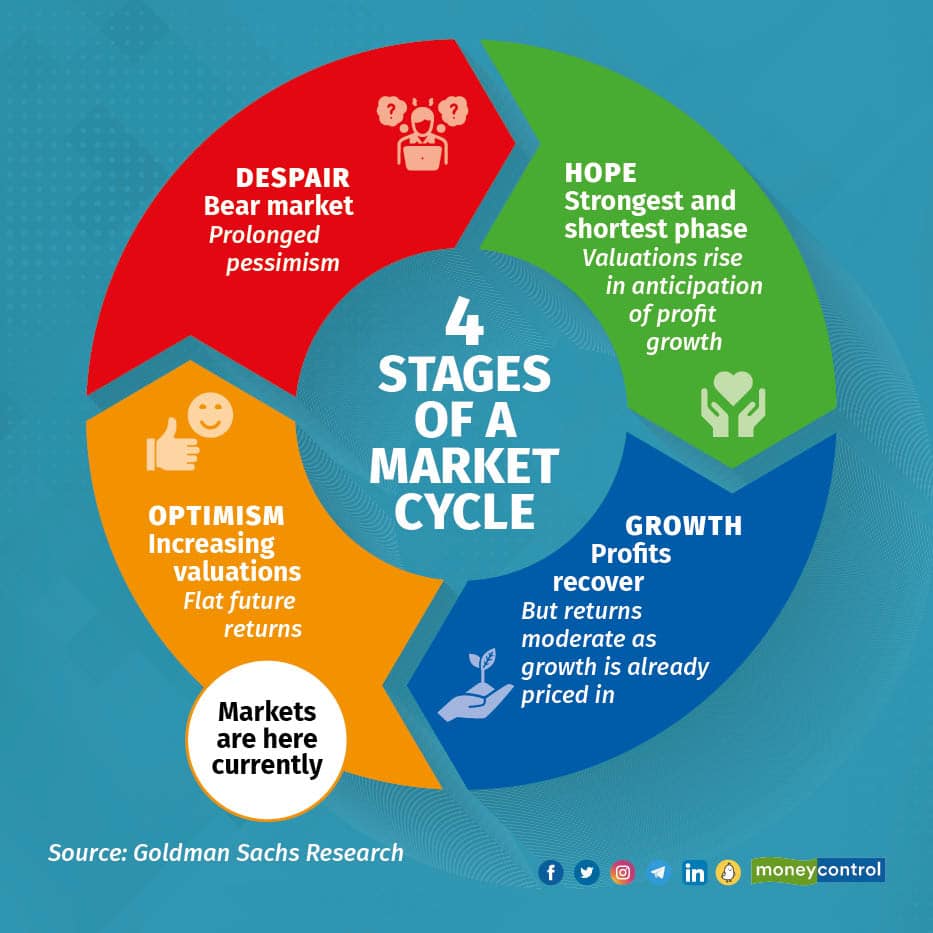
For investors aiming for sustained success, developing a keen market cycle understanding is not merely advantageous; it is fundamental. Financial markets rarely move in a straight line; instead, they exhibit cyclical patterns influenced by economic forces, corporate earnings, and investor sentiment. Recognizing these ebb and flow dynamics allows investors to make more informed decisions, mitigate risks, and potentially capitalize on opportunities across various market conditions. This awareness helps in formulating resilient investment strategies rather than reacting impulsively to short-term fluctuations.

Overview

  • Market cycles are recurrent patterns of expansion, peak, contraction, and trough in economic and financial activity.
  • Understanding these cycles helps investors make informed decisions, manage risk, and identify potential opportunities.
  • Key drivers of market cycles include interest rates, inflation, consumer spending, and geopolitical events.
  • Recognizing the current phase of a market cycle involves analyzing various economic indicators and market signals.
  • Different investment strategies, such as asset allocation and sector rotation, can be applied to align with specific cycle phases.
  • Investor psychology, marked by greed and fear, often amplifies market swings and presents behavioral challenges.
  • A disciplined approach, based on market cycle knowledge, can help overcome emotional investing and avoid common pitfalls.

Foundations of Market Cycle Understanding

At its core, a market cycle represents the natural progression of an economy and its financial markets through distinct phases. These phases typically include expansion, where economic activity and asset prices generally rise; a peak, marking the highest point of growth before a downturn; contraction or recession, characterized by declining economic activity and falling asset values; and a trough, the lowest point before recovery begins. These cycles are not fixed in duration or intensity but are recurring. They are driven by a multitude of factors, including monetary policy decisions (such as interest rate changes by central banks like the Federal Reserve in the US), technological advancements, geopolitical events, and shifts in consumer and business confidence. A deep market cycle understanding involves recognizing that these drivers interact in complex ways, leading to periods of boom and bust that affect everything from equity markets to real estate and commodities.

Recognizing Phases in Market Cycle Understanding

Accurately identifying the current phase of a market cycle is crucial for strategic investment planning. This requires diligent observation and analysis of various economic indicators and market signals. Key economic indicators often include Gross Domestic Product (GDP) growth, unemployment rates, inflation data, consumer confidence surveys, manufacturing output, and corporate earnings reports. For instance, strong GDP growth, low unemployment, and rising corporate profits typically characterize an expansionary phase. Conversely, declining GDP, increasing unemployment, and squeezed corporate margins often signal a contraction. Beyond economic data, investors also look at market-specific indicators such as equity valuations, bond yields, and credit spreads. A period of irrational exuberance, where asset prices detach from fundamental value, might signal an impending peak, while widespread pessimism and low valuations could suggest a trough is forming. Developing this aspect of market cycle understanding allows investors to anticipate shifts rather than merely react to them.

Strategies for Market Cycle Understanding

Grasping economic indicator basics quickly?

Understanding the pulse of the economy can seem complex, but at its heart lies a collection of measurable data points known as economic indicators. These statistics provide vital clues about the health, direction, and stability of an economy, influencing everything from government policy to individual investment choices. For anyone looking to make sense of financial news or simply grasp the broader economic landscape, getting a handle on economic indicator basics is a fundamental step. They act as signposts, helping us anticipate future conditions or confirm past trends, allowing for more informed planning in both personal and professional spheres.

Overview

  • Economic indicators are vital statistics providing insights into the economy’s current and future state.
  • They are categorized into leading, lagging, and coincident types, each serving a different analytical purpose.
  • Leading indicators help predict future economic movements, while lagging indicators confirm past trends.
  • Key indicators include GDP, inflation rates, unemployment figures, and interest rates, which offer a broad view of economic activity.
  • Interpreting indicators involves looking at trends, comparing them to historical data, and considering multiple data points.
  • Grasping these basics empowers individuals and businesses to make better financial and strategic decisions.

Understanding Why Grasping Economic Indicator Basics Matters

Developing a firm understanding of economic indicator basics is more than just an academic exercise; it’s a practical skill with wide-reaching implications. For individuals, these indicators can influence decisions about saving, investing, or even career planning. For instance, a rising unemployment rate might signal a tightening job market, prompting job seekers to adjust their strategies. For businesses, indicators are crucial for strategic planning, resource allocation, and market forecasting. Companies often rely on data like consumer confidence or industrial production figures to gauge demand, plan inventory, or decide on expansion projects.

Moreover, a basic grasp helps in making sense of financial news and understanding governmental policies. When central banks in countries like the US decide to raise or lower interest rates, these decisions are often driven by movements in inflation, employment, and growth indicators. Understanding the underlying data allows citizens to evaluate the rationale behind such actions and their potential impact on daily life, from loan rates to prices at the grocery store. Essentially, these metrics provide a common language for economic discussion and analysis, making them indispensable tools for anyone operating within a modern economy.

Key Categories for Grasping Economic Indicator Basics

When dissecting economic indicator basics, it’s helpful to categorize them based on their relationship to economic activity. This classification system helps users understand what kind of information each indicator provides regarding the timing of economic shifts. There are three primary types:

  1. Leading Indicators: These are metrics that change before the economy as a whole begins to follow a particular trend. They are valuable for forecasting future economic activity and identifying potential turning points. Examples include stock market performance, consumer confidence indices, new housing permits, and manufacturing new orders. A sustained rise in leading indicators often suggests economic expansion is on the horizon, while a decline might signal an upcoming slowdown

Smart Insurance Products for Modern Needs

The modern world moves fast. Our lives are dynamic, our needs are ever-evolving, and our expectations for convenience are higher than ever. Shouldn’t our insurance reflect this? It’s time to move beyond outdated policies and embrace the future of risk management. This is where Smart Insurance Products come in.

Key Takeaways:

  • Smart Insurance Products leverage technology to provide personalized, adaptive coverage.
  • AI and data analytics streamline claims processing and improve customer service.
  • Flexible payment options and digital-first approaches increase accessibility and convenience.
  • Understanding the features of Smart Insurance Products allows us to make informed decisions about our financial protection.

Smart Insurance Products: Personalized Coverage for Modern Lives

Traditional insurance often feels like a one-size-fits-all approach, leaving many feeling under- or over-insured. Smart Insurance Products, however, use data and AI to create personalized plans tailored to individual circumstances. This means more accurate risk assessments, leading to fairer premiums and more relevant coverage. Imagine an insurance policy that automatically adjusts your coverage based on your lifestyle changes – moving to a new city, buying a new car, or even starting a family. That’s the power of smart insurance.

Smart Insurance Products: Streamlined Claims and Improved Customer Service

Dealing with insurance claims can often feel like a frustrating bureaucratic process. Smart Insurance Products aim to simplify this experience through automation and digital tools. AI-powered chatbots can answer common questions instantly, while streamlined online portals allow you to submit claims, track progress, and manage your policy with ease. This increased efficiency not only saves us time but also reduces stress during already difficult situations. The faster claims are processed, the faster you can get back on your feet.

Smart Insurance Products: Flexible Payment Options and Increased Accessibility

Accessibility is key to financial security. Smart Insurance Products are designed to cater to diverse financial situations, offering flexible payment options that suit different budgets. Micro-insurance, pay-as-you-go models, and subscription-based plans are becoming increasingly common, ensuring that insurance is more affordable and accessible to a wider range of individuals. This makes financial planning less daunting and empowers us to secure our future.

Smart Insurance Products: The Future of Financial Security

The evolution of Smart Insurance Products is driven by a commitment to providing better value, convenience, and personalization. As technology continues to advance, we can expect even more innovative features, such as proactive risk management tools that help us prevent accidents and losses before they occur. This proactive approach shifts the focus from merely reacting to problems to actively preventing them, leading to a more secure and financially stable future for us. This forward-thinking approach signifies a profound shift in how we approach our financial well-being. It is a paradigm that benefits both the insurer and the insured, fostering a more collaborative and efficient system of risk management.

Digital Remittance Services Market Growth

The global landscape of international money transfers is undergoing a dramatic shift. Driven by technological advancements and changing consumer preferences, the rise of Digital Remittance Services is reshaping how billions of people send money across borders. This rapid growth presents significant opportunities and challenges for businesses, regulators, and individuals alike.

Key Takeaways:

  • The market for Digital Remittance Services is expanding rapidly, fueled by increasing smartphone adoption and the demand for faster, cheaper, and more convenient remittance options.
  • Technological innovations, such as mobile money and blockchain, are playing a crucial role in driving this growth.
  • Regulatory frameworks are evolving to accommodate the needs of this dynamic sector, balancing innovation with the need for consumer protection.
  • Competition among providers is intense, leading to improved services and lower fees for consumers.

The Meteoric Rise of Digital Remittance Services

Traditional remittance methods, often involving lengthy processes and high fees, are rapidly becoming obsolete. Digital Remittance Services offer a compelling alternative, providing speed, convenience, and transparency. This shift is particularly pronounced in regions with high rates of migrant workers sending money home to support their families. The ease of use, often through mobile apps, has made these services accessible to a previously underserved population. Moreover, the integration of digital wallets and mobile payment systems has streamlined the entire process, reducing friction and enhancing the overall user experience. This efficiency is crucial, especially for those in developing countries with limited access to traditional banking infrastructure.

Technological Innovation Fuels Digital Remittance Services Growth

Technological advancements are at the heart of the growth story. Mobile money platforms, for example, have become incredibly popular in many parts of the world, providing a convenient and accessible entry point for users. Furthermore, blockchain technology offers the potential to significantly reduce transaction costs and improve transparency by providing a secure and auditable record of each transfer. Artificial intelligence (AI) is also making inroads, with algorithms being used to detect and prevent fraud, improving the overall security of the system. These technological leaps not only make the service more efficient but also more secure, attracting more users. Usability is a key aspect, and the continuous improvements are essential for maintaining and enhancing market share.

Regulatory Landscape and the Future of Digital Remittance Services

The rapid expansion of Digital Remittance Services has necessitated the development of robust regulatory frameworks. Governments worldwide are working to create environments that encourage innovation while mitigating risks such as money laundering and terrorist financing. This balancing act is critical to ensuring the long-term sustainability of the sector. Finding the right balance between promoting competition and protecting consumers is a challenge that regulators face continuously. As the technology continues to evolve, so too must the regulatory landscape to keep pace with the rapid advancements. Begin your investment story with a Mortgage Broker Wollongong

Challenges and Opportunities in the Digital Remittance Services Market

While the growth is undeniable, challenges remain. Ensuring financial inclusion for all, including those in remote or underserved areas, is paramount. Addressing cybersecurity threats is another crucial aspect;

Crowd Funding Models in Equity and Debt Financing

Unlocking Capital: Crowd Funding (Equity/Debt) for Your Business

Key Takeaways:

  • Crowd Funding (Equity/Debt) offers viable alternatives to traditional financing, allowing businesses to access capital from a diverse pool of investors.
  • Equity crowdfunding involves selling ownership stakes in exchange for funding, while debt crowdfunding involves borrowing money with a promise to repay.
  • Understanding the legal and regulatory aspects, as well as the potential risks and rewards, is crucial for successful campaigns.
  • Careful planning and a well-structured campaign are vital for attracting investors and achieving your funding goals.

Understanding Crowd Funding (Equity/Debt) Models

Crowd Funding (Equity/Debt) has revolutionized how businesses secure funding. Instead of relying solely on banks or venture capitalists, entrepreneurs can tap into a vast network of potential investors through online platforms. This opens doors to a broader range of funding options, offering flexibility and potentially lowering the barrier to entry for many businesses. Two prominent models stand out: equity crowdfunding and debt crowdfunding.

Equity Crowdfunding: Sharing Ownership for Funding

Equity crowdfunding involves selling a portion of your company’s ownership to numerous investors in exchange for capital. These investors become shareholders, sharing in the company’s profits (or losses). This model is particularly appealing to startups and businesses with high growth potential, as it allows them to raise substantial funds without relinquishing complete control. However, it’s essential to understand the implications of sharing ownership, including potential dilution of your stake and the need to comply with securities regulations. US regulations, for instance, have specific requirements for equity crowdfunding campaigns.

Debt Crowdfunding: Borrowing from a Crowd

Debt crowdfunding involves borrowing money from a group of lenders. Unlike equity crowdfunding, you don’t give away ownership; instead, you repay the borrowed amount, typically with interest, over a predetermined period. This model is often a good fit for businesses that need short-term capital or prefer to maintain complete control over their company. It’s important to carefully manage your debt-to-equity ratio and ensure you can comfortably repay the loan. Platforms facilitating debt crowdfunding often offer a range of loan options with varying terms and interest rates, allowing businesses to find a suitable match for their needs.

Choosing the Right Crowd Funding (Equity/Debt) Strategy for Your Business

Selecting between equity and debt crowdfunding depends heavily on your specific circumstances and long-term goals. Consider factors such as your business stage, risk tolerance, and desired level of control. For instance, a well-established business with a proven track record might opt for debt crowdfunding to fund expansion, while a young startup seeking significant capital might choose equity crowdfunding to accelerate growth, even if it means sharing ownership. Conduct thorough market research and consult with financial advisors to determine the best approach for your unique situation. Us, as entrepreneurs, need to weigh the advantages and disadvantages of each model carefully before making a decision. Proper planning and a clear understanding of the regulatory landscape are also paramount to success. By Crowd Funding (Equity/Debt)

Interest Rates Rise Your Money’s New Reality

Understanding the Interest Rate Hikes

Interest rates are the cost of borrowing money. When central banks, like the Federal Reserve in the US, raise interest rates, it becomes more expensive for individuals and businesses to borrow. This is typically done to combat inflation, aiming to cool down an overheating economy. Higher rates make borrowing less attractive, reducing spending and potentially slowing price increases. However, these increases also impact savers and borrowers in different ways, creating a ripple effect throughout the economy.

The Impact on Savings Accounts and CDs

For those who prioritize saving, rising interest rates are generally good news. Savings accounts and certificates of deposit (CDs) typically offer interest rates that are directly linked to the overall interest rate environment. As the central bank raises rates, banks often follow suit, increasing the interest earned on your savings. This means your money grows faster, making it a more attractive option than keeping cash under your mattress or in a low-yield account. However, it’s important to shop around and compare rates, as not all institutions increase rates at the same pace.

How Rising Rates Affect Mortgages and Loans

On the flip side, rising interest rates make borrowing more expensive. If you’re considering a mortgage, a car loan, or any other type of loan, higher rates translate to higher monthly payments. For those already carrying debt, you might see an increase in your interest payments, impacting your budget significantly. Refinancing your loans might be an option to secure a lower interest rate, but this requires careful consideration of associated fees and qualifications. It’s wise to review your debt and explore options to manage the increased financial burden.

The Influence on Investments

The impact of rising interest rates on investments is more complex and multifaceted. Generally, higher rates can make bonds more attractive, as they offer a higher yield compared to lower rate environments. However, higher rates can also put downward pressure on stock prices, as investors might shift their investments towards bonds, leading to a decrease in demand for stocks. The overall impact on investments depends on various factors, including the type of investment, the investor’s risk tolerance, and the economic outlook. It is advisable to consult with a financial advisor to adjust your investment strategy based on the changing interest rate landscape.

Budgeting and Financial Planning in a High-Rate Environment

Navigating a period of rising interest rates requires careful budgeting and financial planning. Assess your spending habits, identify areas where you can cut back, and prioritize essential expenses. Consider creating a detailed budget that accounts for the increased cost of borrowing and the potential impact on your debt payments. Regularly review your financial goals and adjust your strategies accordingly. This proactive approach will help you stay on track and manage your finances effectively during economic uncertainty.

Exploring Alternative Investment Strategies

With interest rates on the rise, exploring alternative investment strategies can be a viable option for diversification and potentially higher returns. These strategies could include investing in real estate, commodities, or

Interest Rate Graph What it Means for You

Understanding the Basics of Interest Rate Graphs

Interest rate graphs, at their core, illustrate the fluctuation of interest rates over a specific period. They typically plot the rate (usually as a percentage) on the vertical axis and time (daily, monthly, yearly, etc.) on the horizontal axis. A simple upward sloping line indicates rising interest rates, while a downward sloping line signifies falling rates. These graphs can represent various interest rates, such as those on government bonds, mortgages, savings accounts, or even the federal funds rate—the rate at which banks lend to each other. Understanding how to interpret these graphs is crucial for making informed financial decisions.

Different Types of Interest Rate Graphs

Several types of interest rate graphs exist, each serving a unique purpose. Line graphs are the most common, providing a clear visual representation of the rate’s trajectory over time. Bar graphs might be used to compare interest rates across different financial instruments or time periods. Area charts can highlight the cumulative effect of interest rate changes, while scatter plots might explore the relationship between interest rates and other economic indicators. The specific type of graph used will depend on the data being presented and the message the presenter wants to convey.

Interpreting Upward and Downward Trends

An upward trend in an interest rate graph, showing increasing rates, generally suggests a tightening monetary policy. This often happens when a central bank like the Federal Reserve aims to curb inflation by making borrowing more expensive. Higher interest rates encourage saving and discourage spending and investment, potentially slowing economic growth. Conversely, a downward trend, reflecting decreasing rates, usually indicates a loosening monetary policy. This might occur during economic downturns or recessions to stimulate borrowing and spending, boosting economic activity. However, it’s important to remember that interest rates are influenced by various factors, not just monetary policy.

The Impact of Interest Rates on Borrowing

Interest rate graphs are particularly relevant for borrowers. When rates rise, the cost of borrowing increases, making loans more expensive. This impacts everything from mortgages and auto loans to business loans and credit cards. Conversely, falling rates make borrowing cheaper, potentially stimulating economic activity. By monitoring interest rate graphs, borrowers can anticipate changes in their loan payments and adjust their financial plans accordingly. Understanding the trend allows for better negotiation of loan terms or preparation for potential increases in monthly payments.

The Impact of Interest Rates on Savings and Investments

Savers and investors also benefit from understanding interest rate graphs. Rising interest rates generally mean higher returns on savings accounts and certificates of deposit (CDs). However, they can also negatively affect bond prices, as higher rates make existing bonds less attractive. Conversely, falling interest rates can reduce returns on savings but often boost bond prices, offering potential investment gains. Analyzing interest rate graphs helps individuals make informed decisions about where to allocate their funds, maximizing returns while managing risk.

Using Interest Rate Graphs to Make Financial Decisions

Interest rate graphs should not be interpreted in isolation. They are