
Resort in Canggu Bliss

Introduction to Canggu Resorts

When it comes to planning a wellness escape, one of the key factors to consider is the location and the amenities offered by the resort. A resort in Canggu is an ideal choice for those seeking a serene and rejuvenating experience. Canggu, a coastal town in Bali, Indonesia, is known for its beautiful beaches, temples, and vibrant culture, making it the perfect destination for a relaxing getaway.

Canggu resorts offer a range of amenities and activities that cater to different interests and preferences. From yoga and meditation classes to surfing and other water sports, there’s something for everyone. The town’s laid-back atmosphere and stunning natural scenery make it an ideal location for a wellness retreat, where one can unwind and rejuvenate in a peaceful and inspiring environment.

Wellness and Spa Facilities

Importance of Spa Treatments

A spa is an essential component of a wellness resort, providing a range of treatments and therapies that promote relaxation, rejuvenation, and overall well-being. A spa in Canggu offers a variety of treatments, including massages, facials, and body wraps, all designed to help guests unwind and rejuvenate. The spa facilities are typically equipped with state-of-the-art equipment and staffed by trained therapists who are dedicated to providing exceptional service.

In addition to the spa treatments, many Canggu resorts also offer other wellness facilities, such as yoga and meditation studios, fitness centers, and healthy dining options. These amenities are designed to support guests’ overall well-being and provide a holistic approach to health and wellness. By incorporating these facilities into their stay, guests can experience a truly transformative and rejuvenating experience.

Benefits of Yoga and Meditation

Yoga and meditation are two of the most popular activities offered at Canggu resorts, and for good reason. These practices have been shown to have numerous physical, mental, and emotional benefits, from reducing stress and anxiety to improving flexibility and balance. By incorporating yoga and meditation into their daily routine, guests can experience a deeper sense of relaxation and well-being, and return home feeling refreshed and revitalized.

Many Canggu resorts offer yoga and meditation classes, led by experienced instructors who are knowledgeable about the benefits and techniques of these practices. The classes are often held in peaceful and serene environments, such as outdoor gardens or beachside studios, which add to the overall sense of calm and tranquility. By participating in these classes, guests can deepen their understanding of yoga and meditation, and develop a greater appreciation for the benefits they offer.

Conclusion

In conclusion, a resort in Canggu is an ideal choice for those seeking a wellness escape. With its beautiful beaches, vibrant culture, and range of amenities, Canggu offers the perfect combination of relaxation, recreation, and rejuvenation. By incorporating spa treatments, yoga, and meditation into their stay, guests can experience a truly transformative and holistic approach to health and wellness. Whether you’re looking to unwind and relax, or seeking a more active and adventurous experience, Canggu has something for everyone, making it the perfect destination for a …

Where can I find a reliable US seasonal food guide?
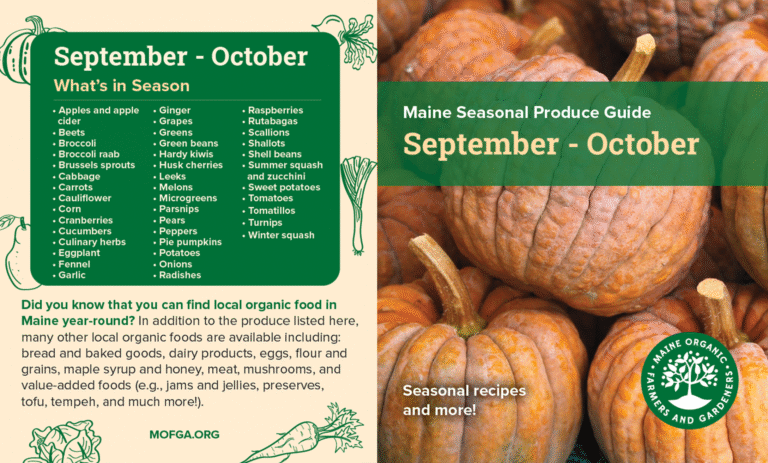
Finding dependable information about what foods are in season across the vast United States can be a frequent query for home cooks, healthy eaters, and environmentally conscious consumers alike. The sheer size and diverse climates of the US mean that what’s ripe for harvest in Florida might be months away in Michigan, making a general resource challenging to pinpoint. However, with the right approach and knowledge of where to look, a reliable US seasonal food guide is readily accessible. Understanding seasonality not only guarantees the freshest and most flavorful ingredients but also supports local agriculture and reduces your carbon footprint.

Overview

  • A reliable US seasonal food guide helps you source the freshest, most flavorful produce available.
  • Online resources from agricultural organizations and reputable food websites offer broad guidance.
  • Local farmers’ markets, CSAs, and university extension offices provide region-specific seasonality.
  • Seasonal availability varies significantly across different US states and climate zones.
  • Eating seasonally often leads to more affordable produce and supports local economies.
  • Utilizing a US seasonal food guide encourages healthier eating and culinary creativity.
  • Many apps and digital tools are available to help identify seasonal foods by location.

Accessing a Reliable US Seasonal Food Guide Online

The internet is a powerful starting point for anyone seeking a US seasonal food guide. Several organizations and websites dedicate themselves to providing current and accurate information. Government agricultural departments, like the USDA, sometimes offer resources or links to regional guides, emphasizing the importance of local food systems. Non-profit food advocacy groups and well-established culinary websites often feature interactive maps or searchable databases that allow you to specify your state or even zip code to see what’s currently in season. These digital tools are invaluable because they account for the geographical variations that make a single national guide impractical. When using online sources, always check the source’s credibility, ensuring it’s a known agricultural institution, a respected food publication, or an organization with a clear mission to promote local food. Many websites also update their information regularly, which is crucial as harvest times can shift slightly each year due to weather patterns.

Local and Regional Insights for Your US Seasonal Food Guide

While national online resources offer a good starting point, the most precise and reliable US seasonal food guide information often comes from local sources. Farmers’ markets are arguably the best real-time indicator of what’s in season in your specific area. By visiting a local market, you can directly observe the produce available and even speak with the farmers about their harvesting schedules. Community Supported Agriculture (CSA) programs also provide direct insight into local seasonality; members receive a weekly box of whatever the farm is harvesting, effectively acting as a hands-on guide. Beyond markets and CSAs, many state university extension offices have agricultural programs that publish detailed regional seasonal produce calendars. These calendars are often incredibly accurate, tailored to the specific microclimates and growing conditions of your locale. Local co-ops and independent grocery stores that prioritize sourcing from nearby farms will also highlight

What are the best local farmers market finds near me?

Visiting a local farmers market offers more than just grocery shopping; it’s an experience that connects you directly to the source of your food and supports your community. From vibrant, freshly picked produce to handcrafted artisan goods, these markets are a treasure trove of quality items often unavailable in conventional stores. Understanding what makes these markets special and how to identify the best offerings can greatly enrich your culinary life and your connection to local agriculture.

Overview:

  • Local farmers markets offer superior freshness and taste compared to supermarket alternatives due to direct sourcing.
  • The best finds include seasonal fruits, vegetables, and herbs, reflecting the peak of local harvest.
  • Beyond produce, markets are excellent places to find unique artisan products like jams, baked goods, and handmade crafts.
  • Quality meat, dairy, and eggs sourced directly from local farms are often available, providing ethical and flavorful options.
  • Engaging with vendors offers valuable insights into farming practices, product origins, and recipe ideas.
  • Strategic shopping, such as arriving early and bringing reusable bags, helps maximize your market experience.
  • Supporting farmers markets contributes directly to the local economy and sustainable agricultural practices.

What Fresh Produce Constitutes Top Local Farmers Market Finds?

The cornerstone of any farmers market is its produce, and for good reason. The freshness is unparalleled, often picked just hours before sale. The best local farmers market finds in this category are always seasonal. In spring, look for tender asparagus, vibrant spinach, crisp radishes, and sweet strawberries. Summer brings an abundance of juicy tomatoes, sweet corn, colorful bell peppers, and succulent berries like blueberries and raspberries. As autumn arrives, root vegetables, squash, apples, and pumpkins become prominent. Winter markets, especially in warmer climates across the US, might still offer hardy greens, citrus, and stored root vegetables. You’ll often find varieties of fruits and vegetables that are not commonly stocked in large grocery chains, offering a chance to experiment with new flavors and textures. The produce often lasts longer at home because it hasn’t traveled far or been subjected to long storage.

Beyond Produce: What Artisan & Specialty Local Farmers Market Finds Can You Expect?

While fresh produce is a major draw, many markets boast an impressive array of artisan and specialty goods that truly set them apart. These can be some of the most exciting local farmers market finds. Think about small-batch honey from local apiaries, often featuring unique floral notes based on what bees were pollinating. Homemade jams, jellies, and preserves, crafted with peak-season fruit, offer intense flavors that are hard to replicate. Bakeries often set up stalls with freshly baked breads, pastries, and cookies, often made with locally sourced flours and ingredients. You might also encounter unique sauces, marinades, specialty oils, or vinegars created by local food entrepreneurs. Don’t forget about cut flowers and potted plants, which add beauty to your home and support local floriculturists. Many markets also feature crafters selling handmade soaps, candles, jewelry, and textiles, providing opportunities for unique gift purchases.

Sourcing Quality: Meat, Dairy, and Baked

What new coffee shop trends USA travelers should know?

For anyone traveling through the United States, the local coffee shop scene offers more than just a caffeine fix; it’s a window into evolving local cultures and consumer priorities. The way Americans enjoy their coffee is constantly shifting, with new practices and preferences emerging that redefine the cafe experience. Staying abreast of these changes can enrich your travels, allowing you to sample the best and most representative offerings in each region. From eco-conscious practices to high-tech ordering, the current landscape of coffee shops across the US is vibrant and varied.

Overview

  • Coffee shop trends USA heavily emphasize ethical sourcing and sustainable operational practices.
  • The demand for unique, customized, and often health-conscious beverages is shaping menus nationwide.
  • Digital ordering, mobile apps, and loyalty programs are increasingly central to the customer experience.
  • Coffee shops are serving as versatile community spaces, fostering connection and collaboration.
  • The aesthetic and ambiance of cafes are becoming more curated, offering distinct, memorable experiences.
  • Beyond coffee, shops are expanding offerings to include a wider range of functional and specialty non-coffee drinks.
  • Local ingredients and partnerships with nearby businesses are gaining prominence.

The Rise of Sustainable and Ethical Coffee shop trends USA

One of the most significant Coffee shop trends USA travelers will notice is a strong push towards sustainability and ethical practices. Modern coffee drinkers are increasingly aware of the environmental and social impact of their daily brew. This translates into widespread adoption of ethically sourced beans, often highlighting direct trade relationships with farmers. Many shops proudly display information about their coffee’s origin, ensuring transparency and supporting fair labor practices.

Beyond the bean, shops are implementing eco-friendly operational changes. Expect to see compostable cups, lids, and straws, or even “bring your own mug” incentives. Waste reduction is a priority, with many establishments exploring reusable cup programs or offering discounts for customers who opt out of single-use items. Water-saving equipment and energy-efficient appliances are also becoming standard. For the traveler, this means supporting businesses that align with responsible global citizenship while enjoying a delicious cup. This commitment to a better planet and fairer practices is a defining characteristic of contemporary Coffee shop trends USA.

Innovative Beverages and Personalized Experiences in Coffee shop trends trends USA

The days of a simple black coffee or latte being the only options are long gone. Today’s Coffee shop trends USA are marked by an explosion of innovative beverages and a drive towards highly personalized experiences. Baristas are artists, crafting unique drinks that often feature house-made syrups, uncommon spices, and non-dairy alternatives beyond oat milk, such as pistachio or macadamia milk. Seasonal menus are common, reflecting local produce and festive flavors, making each visit potentially unique.

Expect to find cold brew variations infused with citrus or botanicals, sparkling espresso drinks, and coffee “mocktails” that blend traditional coffee with complex flavors. Functional beverages, often incorporating adaptogens, CBD, or specialized protein powders, are also growing in popularity, catering to health-conscious consumers looking for an extra boost. Travelers should not hesitate to ask for recommendations or

Upcycled Food Products Market Growth and Innovations

Reduce food waste and boost profits with upcycled food products. Learn about the market’s explosive growth and innovative uses of food byproducts. This article explores the exciting future of upcycled food products and how this sustainable approach benefits both businesses and the planet.

Key Takeaways:

  • The market for upcycled food products is experiencing significant growth driven by consumer demand for sustainability and reduced food waste.
  • Innovations in processing and technology are opening up new possibilities for utilizing food byproducts.
  • Businesses are finding economic advantages in incorporating upcycled food products into their offerings.
  • The environmental benefits of reducing food waste are substantial and contribute to a more sustainable food system.

The Rising Demand for Upcycled Food Products

Consumer awareness of food waste and its environmental impact is steadily increasing. This shift in consciousness is a key driver behind the burgeoning demand for upcycled food products. People are actively seeking out brands committed to sustainability and are willing to pay a premium for products made from ingredients that would otherwise be discarded. This growing consumer base is fueling the expansion of the upcycled food products market, encouraging more businesses to explore and integrate these sustainable solutions. We see a clear correlation between increased awareness and the market’s rapid growth.

Innovative Applications of Upcycled Food Products

The creative applications of upcycled food products are constantly evolving. What was once considered waste is now being utilized to produce a wide array of innovative food and beverage products. From fruit and vegetable peels used in snacks and beverages to spent grain from breweries becoming animal feed or even added to baked goods, the possibilities seem endless. Technological advancements are also playing a vital role, enabling more efficient and cost-effective processing of byproducts, making upcycled food products more accessible to a wider range of businesses. This technological progress is not only enhancing efficiency but also opening up new avenues for product development.

Economic Benefits of Upcycled Food Products

Businesses are increasingly recognizing the economic advantages associated with incorporating Upcycled Food Products into their supply chains. The reduced reliance on virgin ingredients leads to cost savings, especially in the current volatile market. Furthermore, embracing sustainability is often viewed favorably by consumers, leading to a strengthened brand image and increased customer loyalty. This positive brand perception can translate into a competitive edge and increased profitability. Many companies are discovering that sustainability and profitability are not mutually exclusive but can work in synergy.

Environmental Impact and Sustainability

The environmental benefits of utilizing upcycled food products are undeniable. By diverting food waste from landfills, we reduce methane emissions, a potent greenhouse gas. This approach minimizes the environmental strain associated with food production and transportation, contributing to a more sustainable food system. The positive environmental impact aligns with the growing consumer preference for ethically sourced and environmentally responsible products, strengthening the market’s sustainability narrative. For us, minimizing waste and promoting a circular economy is not just a trend but a crucial step towards a healthier planet.

Mindful Eating Practices in Modern Travel Experiences

The relentless pace of modern travel often clashes with our desire for a healthy lifestyle. Airport snacks, buffet breakfasts, and endless restaurant menus can quickly derail even the most well-intentioned eating plans. But what if we could approach food on the road with intention and presence? What if travel became an opportunity, not a threat, to our wellness? This is where Mindful Eating (Travel) comes in.

Key Takeaways:

  • Prioritize planning to make mindful choices easier amidst travel chaos.
  • Use mindful techniques during meals to savor the flavors and experience the culture.
  • Avoid emotional eating triggered by travel stress and fatigue.
  • Incorporate mindful movement to balance indulgences and enhance your trip.

Mindful Eating (Travel): Planning for Conscious Choices

Before you even step onto the plane, mindful eating begins with planning. Pack healthy snacks—nuts, fruit, or whole-grain crackers—to avoid impulse buys at airports and train stations. Research restaurants beforehand, looking for menus with options that align with your dietary preferences and goals. This preemptive planning reduces the temptation to grab the nearest, often least healthy, option when hunger strikes. Don’t forget to account for any dietary restrictions or allergies you may have – this is especially crucial when travelling abroad where menus might be unfamiliar. This preparation helps us maintain control, even in unpredictable travel situations.

Mindful Eating (Travel): Savor Each Bite, One at a Time

When you finally sit down to a meal, resist the urge to rush. Put away your phone, engage your senses, and truly savor each bite. Pay attention to the textures, aromas, and flavors of the food. Notice how it feels in your mouth and how your body responds. Chew slowly, and pause between bites. This mindful approach helps us appreciate the culinary experiences of our journey and fosters a deeper connection with both the food and the culture we’re exploring. It’s about experiencing the food, not just consuming it.

Mindful Eating (Travel): Navigating Emotional Eating on the Road

Travel can be stressful, leading to emotional eating—using food to cope with anxiety, fatigue, or boredom. Be aware of these triggers. If you find yourself reaching for comfort food, take a moment to pause and acknowledge your emotions. Perhaps a walk, a journal entry, or a few deep breaths would be more beneficial than a sugary treat. Recognize that you’re not just hungry; you’re also experiencing other emotions that need attention. Addressing these underlying feelings before resorting to food can help us to maintain a healthier relationship with eating.

Mindful Eating (Travel): Incorporating Movement into Your Trip

Mindful eating isn’t just about what we consume; it’s also about how we move our bodies. Travel often involves prolonged periods of sitting, which can negatively affect digestion and overall wellbeing. Make a conscious effort to incorporate movement into your daily routine, whether it’s a brisk walk, a yoga session, or simply exploring your surroundings on foot. Physical activity aids digestion, combats travel fatigue, and supports a balanced approach to nutrition. Remember that mindful movement is just as crucial as mindful

Gut-Friendly Foods Supporting Health and Nutrition

Your gut health is the foundation of your overall well-being. A thriving gut microbiome, teeming with beneficial bacteria, plays a crucial role in digestion, immunity, and even mood regulation. But what exactly are you supposed to eat to support this vital ecosystem? Let’s delve into the world of Gut-Friendly Foods and how they can support your health and nutrition.

Key Takeaways:

  • A balanced diet rich in Gut-Friendly Foods is essential for a healthy gut microbiome.
  • Focusing on fiber-rich foods, fermented foods, and foods with prebiotics is key.
  • Understanding the connection between diet and gut health is crucial for overall well-being.
  • Making small, sustainable changes to your diet can significantly improve your gut health.

Gut-Friendly Foods: The Power of Fiber

Fiber is the unsung hero of gut health. It acts as a prebiotic, feeding the beneficial bacteria in your gut and promoting their growth. Different types of fiber offer unique benefits. Soluble fiber, found in oats, barley, apples, and citrus fruits, dissolves in water, forming a gel-like substance that can help regulate blood sugar and cholesterol. Insoluble fiber, present in whole grains, vegetables, and nuts, adds bulk to your stool, preventing constipation and promoting regular bowel movements. Aim for a diverse intake of both soluble and insoluble fiber to support a balanced gut microbiome. Remember to increase your fiber intake gradually to avoid digestive discomfort.

Gut-Friendly Foods: Fermented Foods for a Happy Gut

Fermented foods are powerhouses of probiotics, live microorganisms that provide numerous health benefits. Yogurt (especially those with live and active cultures), kefir, sauerkraut, kimchi, and kombucha are all excellent choices. These foods introduce beneficial bacteria directly into your gut, helping to restore balance and improve digestion. However, it’s important to note that not all fermented products are created equal; choose varieties that are minimally processed and free of added sugars. Experiment with different fermented foods to find your favorites and incorporate them regularly into your diet.

Gut-Friendly Foods: Prebiotics for Gut Bacteria Growth

Prebiotics are non-digestible food ingredients that act as food for your beneficial gut bacteria. They are essential for promoting the growth and activity of these beneficial microbes. Excellent sources of prebiotics include onions, garlic, bananas, asparagus, and Jerusalem artichokes. These foods contain specific types of carbohydrates that your body can’t digest, but your gut bacteria can, fostering a flourishing environment within your digestive system. Adding prebiotic-rich foods to your diet can significantly enhance the diversity and functionality of your gut microbiome.

Gut-Friendly Foods: Beyond the Basics – A Holistic Approach

While focusing on fiber-rich, fermented, and prebiotic foods is crucial, a holistic approach to gut health encompasses more than just individual food choices. Staying well-hydrated is critical for proper digestion and bowel function. Managing stress levels is also vital, as stress can negatively impact the gut microbiome. Getting enough sleep and regular physical activity further contribute to a healthy gut. Remember, creating a balanced, gut-friendly diet is a journey, not a race. Us, as individuals, need to prioritize making sustainable changes that work for our

Finding Your Rhythm A Slow Travel Approach

The Allure of Slow Travel

We live in a world obsessed with speed. Faster internet, quicker commutes, instant gratification. It’s easy to get swept up in this relentless pace, even when it comes to travel. We cram in as many sights as possible, rushing from one landmark to another, often leaving feeling more exhausted than enriched. Slow travel offers a refreshing antidote to this frantic approach. It’s about savoring the journey, immersing yourself in a place, and truly experiencing its culture and rhythm.

Understanding Your Personal Rhythm

Before you even begin planning your slow travel adventure, it’s crucial to understand your own rhythm. What pace feels comfortable for you? Are you someone who thrives on structured days, or do you prefer a more spontaneous approach? Do you recharge by spending time in bustling markets or finding solace in quiet contemplation? Consider your energy levels, your preferred activities, and your tolerance for uncertainty. Your ideal slow travel experience will be unique to you.

Choosing Your Destination Wisely

Not all destinations lend themselves to slow travel. Overly touristy areas, constantly buzzing with activity, might feel overwhelming if you’re aiming for a relaxed experience. Consider destinations known for their tranquility, rich cultural heritage, or opportunities for outdoor adventures that encourage a slower pace. Smaller towns and villages often provide a more authentic and less hectic atmosphere, allowing you to connect more meaningfully with the local culture.

Embracing Spontaneity and Flexibility

One of the beautiful aspects of slow travel is its inherent flexibility. While it’s good to have a loose itinerary, don’t over-plan. Leave room for spontaneity. Maybe you stumble upon a hidden gem, a local festival, or a captivating conversation that diverts your path. Embrace these unexpected detours – they often lead to the most memorable experiences. The art of slow travel is learning to go with the flow and trust the journey.

Connecting with Locals and Culture

Slow travel isn’t just about sightseeing; it’s about connecting with the people and culture of your chosen destination. Take the time to engage with locals – strike up conversations in cafes, visit local markets, attend community events, or take a cooking class. These interactions will provide you with invaluable insights and a deeper understanding of the place you’re visiting. Learning a few basic phrases in the local language can also significantly enhance your experience.

Prioritizing Experiences Over Checklists

The biggest shift in mindset for slow travel is moving away from a checklist mentality. Instead of ticking off landmarks on a pre-determined itinerary, focus on enriching experiences. It’s about immersing yourself in the local culture, engaging in meaningful conversations, savoring local cuisine, and allowing yourself to be present in the moment. This approach leads to more profound and lasting memories than simply visiting a large number of places.

Finding Your Pace Through Mindfulness

Incorporating mindfulness practices into your slow travel journey can further enhance your experience. Take time for daily meditation or reflection, allowing yourself to fully appreciate the surroundings and connect with your inner self.

Slow Travel Adventures Unhurried Journeys

Rediscovering the Joy of the Journey

In our fast-paced world, where efficiency reigns supreme, the concept of slow travel might seem almost revolutionary. But taking the time to truly savor a journey, to immerse yourself in a destination rather than just ticking off landmarks, is a deeply rewarding experience. Slow travel isn’t just about moving slowly; it’s about shifting your mindset, embracing spontaneity, and prioritizing meaningful connections over frantic sightseeing.

The Allure of Unhurried Exploration

Imagine waking up in a charming Tuscan villa, spending the morning exploring a nearby medieval town at your own pace, indulging in a leisurely lunch of local delicacies, and then relaxing by the pool with a good book. This isn’t a fantasy; it’s the reality of slow travel. It allows you to truly appreciate the nuances of a place, to engage with the local culture, and to discover hidden gems that are often missed in the rush of a typical vacation. Instead of feeling stressed about packing in as much as possible, you find yourself present and engaged in each moment.

Sustainable Tourism: A Gentle Footprint

Slow travel inherently promotes sustainable tourism. By staying longer in fewer places, you reduce your carbon footprint from constantly hopping between destinations. You’re more likely to support local businesses, from family-run guesthouses to artisan shops, contributing directly to the local economy. This approach fosters a more respectful and responsible interaction with the environment and the communities you visit, leaving a positive impact rather than simply extracting experiences.

Deeper Connections and Cultural Immersion

When you travel slowly, you have the opportunity to build genuine connections with locals. Taking a cooking class, attending a local festival, or simply chatting with people you meet along the way allows you to experience a place through the eyes of its inhabitants. You get to learn about their traditions, their history, and their perspectives, fostering a richer and more meaningful travel experience than any quick sightseeing tour could offer.

Finding Your Slow Travel Style

Slow travel doesn’t have to mean backpacking through Southeast Asia for six months. It can be tailored to your preferences and lifestyle. It could be a week-long cycling tour through the French countryside, a month-long road trip exploring national parks, or even a relaxed weekend getaway to a nearby town. The key is to prioritize quality over quantity, to embrace the unplanned moments, and to allow yourself to be truly present in your destination.

Embracing Spontaneity and Unexpected Delights

One of the beautiful aspects of slow travel is the element of surprise. You’re not bound by a rigid itinerary; you have the freedom to deviate from your plans, to explore side roads, and to follow your curiosity wherever it leads. This openness often results in unexpected discoveries, serendipitous encounters, and unforgettable experiences that would never have happened if you were rushing from one scheduled activity to the next.

The Art of Doing Less and Experiencing More

Slow travel is about actively choosing to do less in order to experience more profoundly.

Retirement Reimagined The Slow Travel Way

Trading the Hamster Wheel for a Tortoise Pace

Retirement, for many, conjures images of frantic golfing, endless cruises, or a whirlwind of activities designed to fill the suddenly gaping void of a life previously structured around work. But what if retirement wasn’t about cramming in as much as possible, but about savoring every moment with intention? What if, instead of a race against time, it was a slow, deliberate journey of discovery?

The Allure of Slow Travel

Slow travel, the antithesis of the whirlwind vacation, emphasizes immersion and mindful experience over ticking off destinations. It’s about truly connecting with a place, its culture, its people, and its rhythms. Instead of rushing from one highlight to the next, slow travelers linger, absorbing the nuances and details that often get overlooked in a fast-paced itinerary. This approach perfectly complements the spirit of a reimagined retirement.

Financial Freedom and Flexible Time

One of the great freedoms of retirement is the flexibility it affords. No longer chained to a 9-to-5 schedule, retirees can structure their days and years according to their own desires. This opens up incredible possibilities for slow travel. Instead of booking expensive, pre-packaged tours, you can tailor your journey to your budget and interests, staying longer in places that resonate with you and moving on when the time feels right.

Embracing a Simpler Lifestyle

Slow travel often necessitates a shift towards a simpler lifestyle. Carrying less, focusing on essential experiences, and being more resourceful are inherent aspects of this approach. This resonates deeply with the spirit of many retirees who are seeking to declutter their lives, both physically and mentally. The freedom from material possessions allows for greater appreciation of the simple pleasures found along the way – a shared meal with locals, a breathtaking sunset, a spontaneous conversation.

Choosing Your Adventure: Defining Your Retirement Travel Style

The beauty of slow travel is its adaptability. You can choose to explore a single region in depth, perhaps learning a new language and becoming a part of a local community. Or you might prefer a more nomadic approach, hopping between countries and cultures, always keeping your options open. The possibilities are endless, limited only by your imagination and resources. Perhaps you’ll rent a van and explore the national parks, or maybe you’ll find a charming Airbnb in a Tuscan village and immerse yourself in the local culture for months.

The Social Aspect of Slow Travel in Retirement

Retirement often brings a change in social dynamics. Slow travel offers a wonderful opportunity to forge new connections. Staying longer in one location allows you to build relationships with locals, fellow travelers, and other expats. Participating in local activities, taking classes, or volunteering provides opportunities for meaningful interaction and a sense of belonging.

Health Benefits Beyond the Tourist Trail

The slower pace of slow travel is surprisingly beneficial for mental and physical health. The reduction in stress, the increased physical activity (walking, hiking, exploring), and the exposure to new environments all contribute to a sense of