
Probiotics and pet gut health, what you need to know
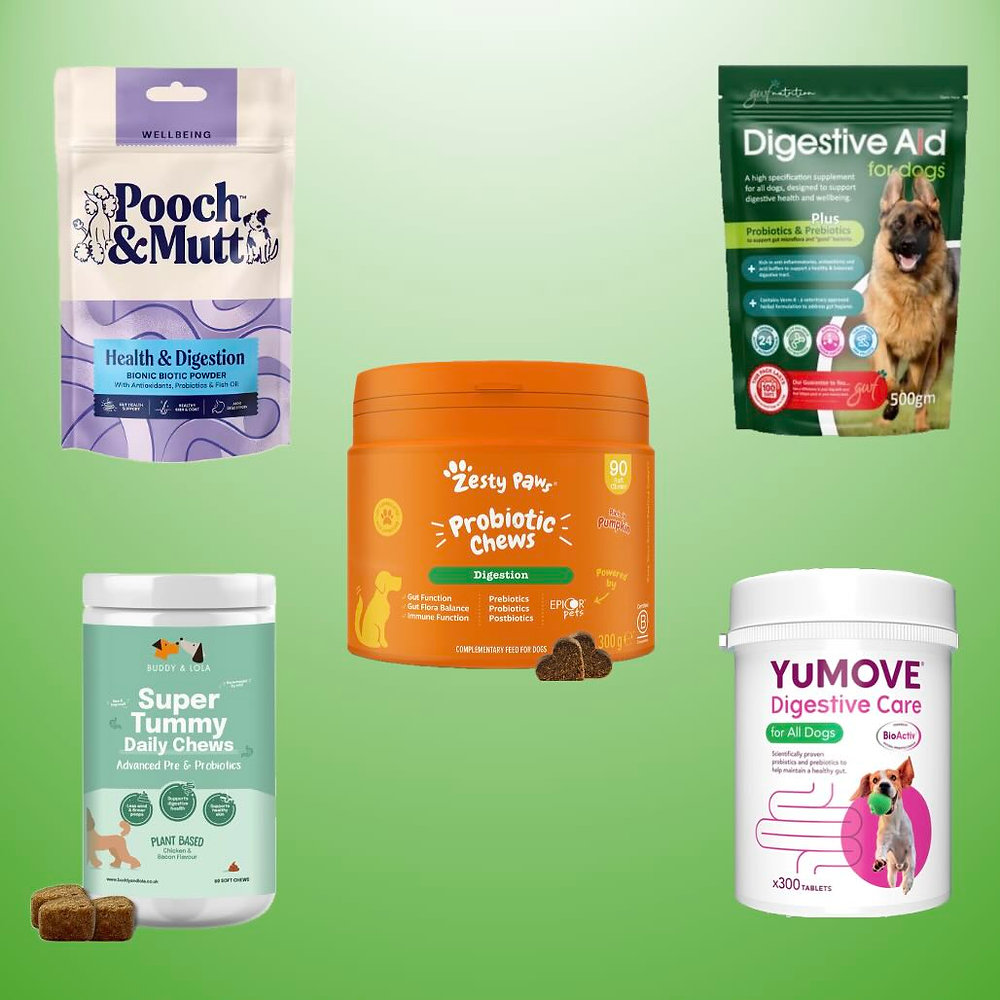
Caring for our pets goes beyond providing food and shelter; it involves nurturing their well-being from the inside out. A healthy gut is foundational to a pet’s overall vitality, influencing everything from digestion to immune function. For years, I’ve observed firsthand how a balanced gut microbiome contributes significantly to a happy, active animal. Understanding the role of probiotics in pet gut health has become a crucial aspect of modern pet care.

Overview
- Probiotics are beneficial microorganisms that support a balanced gut microbiome in pets.
- A healthy gut influences digestion, nutrient absorption, and immune system strength.
- Common issues like diarrhea, constipation, or allergies can often stem from an imbalanced gut.
- Selecting the correct probiotic strain for a pet’s specific needs is essential for effectiveness.
- Probiotics can be particularly helpful during stressful periods, after antibiotic use, or for pets with chronic digestive sensitivities.
- Monitoring your pet’s response to probiotic supplementation helps ensure optimal results.
- Many veterinarians in the US recommend probiotics as a supportive therapy for various conditions.
Understanding The role of probiotics in pet gut health
The digestive tract of a dog or cat hosts a complex community of bacteria, fungi, and other microorganisms, collectively known as the microbiome. This ecosystem plays a pivotal part in their health. When this delicate balance is disrupted, pets can experience a range of problems, from mild digestive upset to more chronic conditions. Probiotics are live microorganisms that, when administered in adequate amounts, provide a health benefit to the host. They work by introducing good bacteria to help restore and maintain this balance.
From my experience in animal care, I’ve seen pets prone to frequent stomach upset stabilize significantly with consistent probiotic use. For instance, a dog with chronic loose stools might show remarkable improvement as beneficial bacteria help firm up their feces. These helpful microbes aid in breaking down food, producing vitamins, and warding off harmful pathogens. It’s not just about digestion; a robust gut microbiome also communicates with the immune system, training it to respond appropriately to threats. This connection makes probiotics a powerful tool for supporting a pet’s natural defenses.
Implementing The role of probiotics in pet gut health in Daily Care
Integrating probiotics into a pet’s daily routine can be straightforward, but consistency is key. I often recommend starting slowly, especially for pets with sensitive stomachs, to allow their system to adjust. Probiotics come in various forms: powders, chews, or even infused into certain pet foods. For pets undergoing antibiotic treatment, it’s particularly important to administer probiotics. Antibiotics, while necessary, can indiscriminately wipe out both good and bad bacteria. Supplementing with probiotics during and after this period helps to replenish the beneficial microbes, preventing issues like antibiotic-associated diarrhea.
The proper timing of administration can also impact effectiveness. Some products suggest giving probiotics with meals, while others recommend separate from food. Following the specific instructions on the product label is always advised. For aging pets, whose digestive efficiency might naturally decline, probiotics can offer valuable support. I’ve observed older animals maintain better
Gut-Friendly Foods Supporting Health and Nutrition
Your gut health is the foundation of your overall well-being. A thriving gut microbiome, teeming with beneficial bacteria, plays a crucial role in digestion, immunity, and even mood regulation. But what exactly are you supposed to eat to support this vital ecosystem? Let’s delve into the world of Gut-Friendly Foods and how they can support your health and nutrition.
Key Takeaways:
- A balanced diet rich in Gut-Friendly Foods is essential for a healthy gut microbiome.
- Focusing on fiber-rich foods, fermented foods, and foods with prebiotics is key.
- Understanding the connection between diet and gut health is crucial for overall well-being.
- Making small, sustainable changes to your diet can significantly improve your gut health.
Gut-Friendly Foods: The Power of Fiber
Fiber is the unsung hero of gut health. It acts as a prebiotic, feeding the beneficial bacteria in your gut and promoting their growth. Different types of fiber offer unique benefits. Soluble fiber, found in oats, barley, apples, and citrus fruits, dissolves in water, forming a gel-like substance that can help regulate blood sugar and cholesterol. Insoluble fiber, present in whole grains, vegetables, and nuts, adds bulk to your stool, preventing constipation and promoting regular bowel movements. Aim for a diverse intake of both soluble and insoluble fiber to support a balanced gut microbiome. Remember to increase your fiber intake gradually to avoid digestive discomfort.
Gut-Friendly Foods: Fermented Foods for a Happy Gut
Fermented foods are powerhouses of probiotics, live microorganisms that provide numerous health benefits. Yogurt (especially those with live and active cultures), kefir, sauerkraut, kimchi, and kombucha are all excellent choices. These foods introduce beneficial bacteria directly into your gut, helping to restore balance and improve digestion. However, it’s important to note that not all fermented products are created equal; choose varieties that are minimally processed and free of added sugars. Experiment with different fermented foods to find your favorites and incorporate them regularly into your diet.
Gut-Friendly Foods: Prebiotics for Gut Bacteria Growth
Prebiotics are non-digestible food ingredients that act as food for your beneficial gut bacteria. They are essential for promoting the growth and activity of these beneficial microbes. Excellent sources of prebiotics include onions, garlic, bananas, asparagus, and Jerusalem artichokes. These foods contain specific types of carbohydrates that your body can’t digest, but your gut bacteria can, fostering a flourishing environment within your digestive system. Adding prebiotic-rich foods to your diet can significantly enhance the diversity and functionality of your gut microbiome.
Gut-Friendly Foods: Beyond the Basics – A Holistic Approach
While focusing on fiber-rich, fermented, and prebiotic foods is crucial, a holistic approach to gut health encompasses more than just individual food choices. Staying well-hydrated is critical for proper digestion and bowel function. Managing stress levels is also vital, as stress can negatively impact the gut microbiome. Getting enough sleep and regular physical activity further contribute to a healthy gut. Remember, creating a balanced, gut-friendly diet is a journey, not a race. Us, as individuals, need to prioritize making sustainable changes that work for our
