
Where can I find a reliable US seasonal food guide?
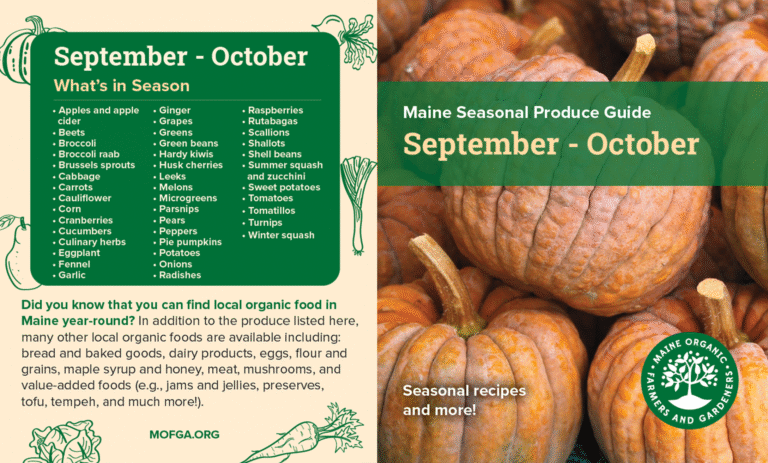
Finding dependable information about what foods are in season across the vast United States can be a frequent query for home cooks, healthy eaters, and environmentally conscious consumers alike. The sheer size and diverse climates of the US mean that what’s ripe for harvest in Florida might be months away in Michigan, making a general resource challenging to pinpoint. However, with the right approach and knowledge of where to look, a reliable US seasonal food guide is readily accessible. Understanding seasonality not only guarantees the freshest and most flavorful ingredients but also supports local agriculture and reduces your carbon footprint.

Overview
- A reliable US seasonal food guide helps you source the freshest, most flavorful produce available.
- Online resources from agricultural organizations and reputable food websites offer broad guidance.
- Local farmers’ markets, CSAs, and university extension offices provide region-specific seasonality.
- Seasonal availability varies significantly across different US states and climate zones.
- Eating seasonally often leads to more affordable produce and supports local economies.
- Utilizing a US seasonal food guide encourages healthier eating and culinary creativity.
- Many apps and digital tools are available to help identify seasonal foods by location.
Accessing a Reliable US Seasonal Food Guide Online
The internet is a powerful starting point for anyone seeking a US seasonal food guide. Several organizations and websites dedicate themselves to providing current and accurate information. Government agricultural departments, like the USDA, sometimes offer resources or links to regional guides, emphasizing the importance of local food systems. Non-profit food advocacy groups and well-established culinary websites often feature interactive maps or searchable databases that allow you to specify your state or even zip code to see what’s currently in season. These digital tools are invaluable because they account for the geographical variations that make a single national guide impractical. When using online sources, always check the source’s credibility, ensuring it’s a known agricultural institution, a respected food publication, or an organization with a clear mission to promote local food. Many websites also update their information regularly, which is crucial as harvest times can shift slightly each year due to weather patterns.
Local and Regional Insights for Your US Seasonal Food Guide
While national online resources offer a good starting point, the most precise and reliable US seasonal food guide information often comes from local sources. Farmers’ markets are arguably the best real-time indicator of what’s in season in your specific area. By visiting a local market, you can directly observe the produce available and even speak with the farmers about their harvesting schedules. Community Supported Agriculture (CSA) programs also provide direct insight into local seasonality; members receive a weekly box of whatever the farm is harvesting, effectively acting as a hands-on guide. Beyond markets and CSAs, many state university extension offices have agricultural programs that publish detailed regional seasonal produce calendars. These calendars are often incredibly accurate, tailored to the specific microclimates and growing conditions of your locale. Local co-ops and independent grocery stores that prioritize sourcing from nearby farms will also highlight
