
Creating Better Operational Planning for Expansion

Successful business expansion hinges on robust operational planning. Moving into new markets, launching new product lines, or scaling up existing services demands meticulous forethought to prevent bottlenecks, maintain quality, and ensure sustainable growth. A well-structured operational plan acts as a blueprint, guiding every department through the complexities of scaling.

Overview

  • A thorough initial assessment of market demand and internal capabilities is crucial before any expansion.
  • Optimizing the supply chain and logistics processes ensures materials and products move efficiently to new locations.
  • Leveraging appropriate technology and scalable infrastructure supports growing operational demands without immediate overhauls.
  • Strategic human capital planning involves recruiting, training, and structuring teams for new roles and increased workloads.
  • Accurate financial forecasting and resource allocation are essential to fund expansion without jeopardizing current operations.
  • Identifying and mitigating potential risks through contingency planning helps protect the business from unforeseen challenges.
  • Establishing clear metrics for success and implementing an iterative planning cycle allows for continuous adjustment and improvement.

Initial Strategic Assessment for Expansion

Before any physical move or product launch, a deep dive into strategic positioning is paramount. This initial phase defines the scope and viability of the expansion.

  • Market Analysis: Evaluate target markets for demand, competition, regulatory landscape, and cultural nuances. Understand specific customer needs that the expansion aims to meet.
  • Internal Capability Audit: Assess current resources, including production capacity, workforce skills, financial reserves, and technological infrastructure. Identify gaps that need addressing before growth.
  • Goal Setting: Clearly define measurable objectives for the expansion, such as market share targets, revenue projections, or customer acquisition numbers. These goals will guide all subsequent planning.
  • Feasibility Study: Conduct a detailed study to determine the practicality and financial viability of the proposed expansion, weighing potential returns against required investments and risks.

Optimizing Supply Chain and Logistics for Growth

Scaling operations invariably impacts the supply chain. Effective planning here ensures materials flow smoothly and products reach customers efficiently, regardless of increased volume or new geographical reach.

  • Supplier Relationships: Re-evaluate existing supplier contracts and identify new partners capable of meeting increased demand or serving new locations. Focus on reliability, cost-effectiveness, and quality.
  • Logistics Network Design: Plan new distribution centers, warehousing needs, and transportation routes. Consider local infrastructure, delivery times, and potential customs implications for international expansion.
  • Inventory Management: Implement or refine systems for managing inventory across multiple locations. This includes forecasting demand accurately, setting optimal stock levels, and minimizing waste.
  • Technology Integration: Utilize supply chain management (SCM) software to centralize data, track shipments, and automate processes, providing real-time visibility and control.

Leveraging Technology and Infrastructure for Scalability

Technology forms the backbone of modern operations, and its scalable nature is critical during expansion. Investing in the right systems can support growth without constant, disruptive overhauls.

  • System Scalability: Ensure existing IT systems (ERP, CRM, accounting software) can handle increased data volume, users, and transactions. Plan for upgrades or new implementations if current systems are insufficient.
  • Infrastructure Requirements: Assess needs for new physical infrastructure, such as manufacturing plants, office spaces, or data centers. Consider power, connectivity, and local regulatory compliance.

Weighing Short selling risks and rewards responsibly

From years spent observing and participating in financial markets, one of the most intriguing and often misunderstood strategies is short selling. It’s a mechanism that allows investors to profit from a decline in a security’s price. However, this seemingly straightforward concept carries significant complexity, presenting both enticing opportunities and substantial dangers. Engaging in short selling demands a disciplined approach, profound market understanding, and rigorous risk management to avoid potentially catastrophic losses.

Overview

  • Short selling involves borrowing and selling shares, hoping to buy them back later at a lower price for profit.
  • The potential for unlimited losses is a primary concern, contrasting with traditional long positions.
  • Margin calls are a frequent challenge, requiring additional capital from short sellers when the stock price rises.
  • Understanding market sentiment and technical analysis is vital for identifying viable short candidates.
  • Regulatory frameworks, like those in the US, aim to ensure market fairness and prevent abuses in short selling.
  • Short squeezes represent a major risk, where rising prices force short sellers to cover positions, accelerating the price ascent.
  • Responsible participation requires a clear strategy, strict stop-loss orders, and an awareness of market dynamics.
  • Short selling can offer portfolio diversification and hedging benefits when executed thoughtfully.

The Fundamentals of Short selling risks and rewards

Short selling is essentially making a bet against a company or an asset. An investor borrows shares of a stock they believe will decrease in value, sells those shares at the current market price, and then aims to buy them back at a lower price later. The difference between the selling price and the repurchasing price, minus borrowing fees and commissions, constitutes the profit. This strategy attracts sophisticated traders looking to capitalize on perceived overvaluations or impending negative company news.

The reward potential is significant if a stock plummets as anticipated. However, the risks are equally substantial. Unlike buying a stock (going long), where your maximum loss is the initial investment, a short position carries theoretically unlimited loss potential. If the stock price rises indefinitely, so does the amount required to buy back the shares and cover the position. This asymmetry between finite profit potential (a stock can only fall to zero) and infinite loss potential is a core aspect of Short selling risks and rewards. Successful short sellers often focus on companies with weak fundamentals, declining industry trends, or unsustainable valuations, always with a keen eye on market sentiment.

Practical Considerations for Short Sellers

Executing a short sell requires a margin account, meaning you’re trading with borrowed money. This amplifies both gains and losses. One critical challenge for short sellers is the margin call. If the price of a shorted stock begins to rise, your brokerage may demand additional funds to maintain the required margin level. Failing to meet a margin call can lead to forced liquidation of your position at an unfavorable price, locking in losses. This pressure can be intense during sudden price spikes.

Another significant hurdle is the short squeeze. This occurs when a heavily shorted stock

How do I create a solid business expansion roadmap?

Creating a structured business expansion roadmap is not merely a suggestion; it’s a fundamental requirement for any entity aiming for sustainable growth and increased market share. Without a clear plan, expansion efforts can quickly become chaotic, wasteful, and ultimately ineffective. A well-defined roadmap provides the clarity, direction, and accountability needed to move from current operations to future aspirations with purpose. It helps articulate where a business intends to go, how it plans to get there, and what resources will be required along the way. This proactive approach minimizes risks and maximizes the chances of achieving desired outcomes, whether that involves entering new markets, launching new products, or scaling existing services.

Overview

  • A business expansion roadmap is vital for guiding growth, ensuring strategic direction, and mitigating risks.
  • Initial steps involve thorough market research, defining clear goals, and assessing internal capabilities.
  • Effective financial planning, resource allocation, and operational adjustments are critical for successful execution.
  • Building the right team and leveraging appropriate technology are essential components of an expansion plan.
  • Continuous monitoring with key performance indicators (KPIs) and adaptability are crucial for long-term success.
  • Legal and regulatory considerations, especially when operating internationally or across different states in the US, must be integrated into the roadmap.

Why is a business expansion roadmap essential for growth?

A well-crafted business expansion roadmap serves as the backbone of any growth initiative. Its importance stems from several key benefits it offers to an organization. Firstly, it provides strategic clarity, outlining specific goals and the steps required to achieve them. This prevents random ventures and ensures all efforts are aligned with the company’s overarching vision. Secondly, it helps in meticulous resource allocation. By understanding the financial, human, and technological resources needed at each stage, businesses can avoid overspending or under-resourcing critical projects. For example, a company looking to expand its distribution network within the US would need a precise understanding of logistics, warehousing, and local market demands before committing capital.

Furthermore, a roadmap facilitates risk mitigation. It compels businesses to identify potential challenges and develop contingency plans before problems arise. This foresight can save significant time and money. It also improves internal communication and stakeholder alignment, as everyone involved has a shared understanding of the objectives, timelines, and their roles in the expansion process. Without such a document, teams might work in silos, leading to inefficiencies and missed opportunities.

What are the initial steps to define your business expansion roadmap?

The foundation of a solid business expansion roadmap rests on thorough preliminary work. The very first step involves extensive market research. This means understanding potential new markets, identifying target customer segments, analyzing competitor activities, and assessing industry trends. What are the unique needs and preferences of potential new customers? What are the entry barriers? This data will inform critical decisions. Next, define clear, measurable, achievable, relevant, and time-bound (SMART) goals for your expansion. Instead of saying “grow bigger,” aim for “increase market share in the Midwestern US by 15% within 18 months through a new product line.”

Simultaneously,

Developing market cycle understanding for investors?
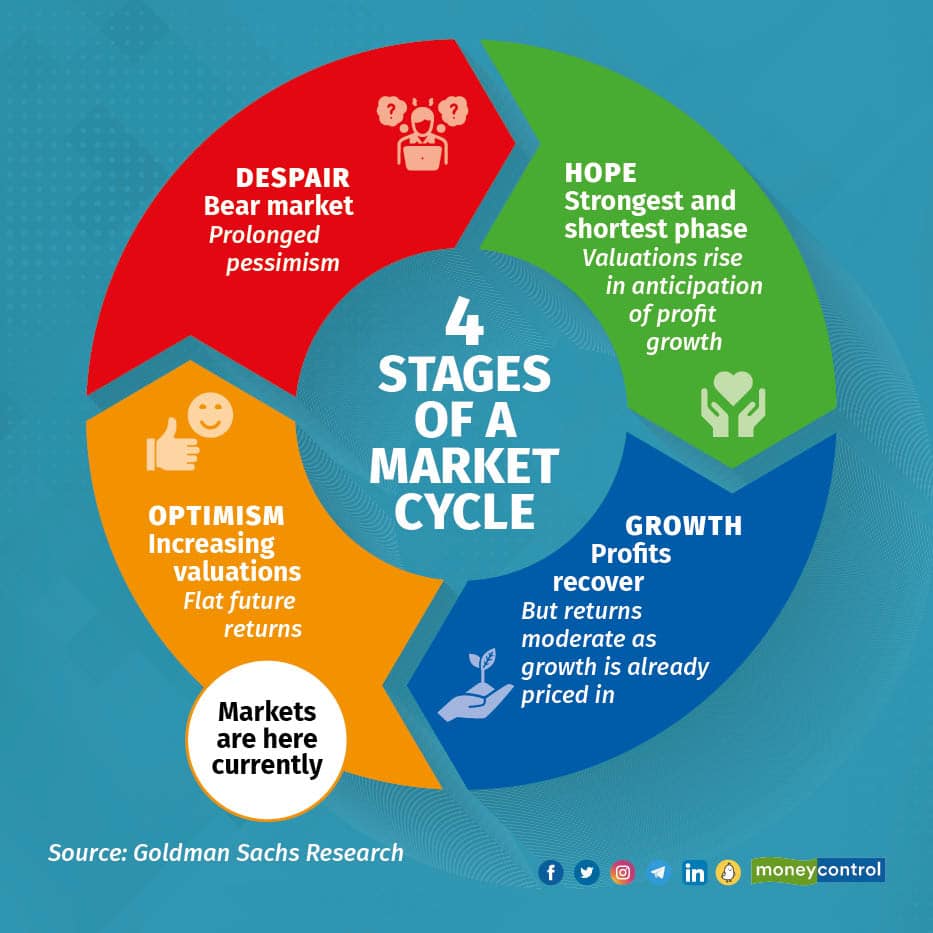
For investors aiming for sustained success, developing a keen market cycle understanding is not merely advantageous; it is fundamental. Financial markets rarely move in a straight line; instead, they exhibit cyclical patterns influenced by economic forces, corporate earnings, and investor sentiment. Recognizing these ebb and flow dynamics allows investors to make more informed decisions, mitigate risks, and potentially capitalize on opportunities across various market conditions. This awareness helps in formulating resilient investment strategies rather than reacting impulsively to short-term fluctuations.

Overview

  • Market cycles are recurrent patterns of expansion, peak, contraction, and trough in economic and financial activity.
  • Understanding these cycles helps investors make informed decisions, manage risk, and identify potential opportunities.
  • Key drivers of market cycles include interest rates, inflation, consumer spending, and geopolitical events.
  • Recognizing the current phase of a market cycle involves analyzing various economic indicators and market signals.
  • Different investment strategies, such as asset allocation and sector rotation, can be applied to align with specific cycle phases.
  • Investor psychology, marked by greed and fear, often amplifies market swings and presents behavioral challenges.
  • A disciplined approach, based on market cycle knowledge, can help overcome emotional investing and avoid common pitfalls.

Foundations of Market Cycle Understanding

At its core, a market cycle represents the natural progression of an economy and its financial markets through distinct phases. These phases typically include expansion, where economic activity and asset prices generally rise; a peak, marking the highest point of growth before a downturn; contraction or recession, characterized by declining economic activity and falling asset values; and a trough, the lowest point before recovery begins. These cycles are not fixed in duration or intensity but are recurring. They are driven by a multitude of factors, including monetary policy decisions (such as interest rate changes by central banks like the Federal Reserve in the US), technological advancements, geopolitical events, and shifts in consumer and business confidence. A deep market cycle understanding involves recognizing that these drivers interact in complex ways, leading to periods of boom and bust that affect everything from equity markets to real estate and commodities.

Recognizing Phases in Market Cycle Understanding

Accurately identifying the current phase of a market cycle is crucial for strategic investment planning. This requires diligent observation and analysis of various economic indicators and market signals. Key economic indicators often include Gross Domestic Product (GDP) growth, unemployment rates, inflation data, consumer confidence surveys, manufacturing output, and corporate earnings reports. For instance, strong GDP growth, low unemployment, and rising corporate profits typically characterize an expansionary phase. Conversely, declining GDP, increasing unemployment, and squeezed corporate margins often signal a contraction. Beyond economic data, investors also look at market-specific indicators such as equity valuations, bond yields, and credit spreads. A period of irrational exuberance, where asset prices detach from fundamental value, might signal an impending peak, while widespread pessimism and low valuations could suggest a trough is forming. Developing this aspect of market cycle understanding allows investors to anticipate shifts rather than merely react to them.

Strategies for Market Cycle Understanding

Creating precise digital systems mapping solutions

Understanding and visualizing the intricate web of software, hardware, and human interactions within an organization is paramount for sustained operation and growth. Digital systems mapping provides this critical visualization, serving as a foundational practice for anyone looking to gain clarity over their operational landscape. It involves charting the connections, dependencies, and data flows that define how an organization’s digital assets function and interact, revealing both current states and potential future states. Accurate maps are indispensable for effective decision-making, risk mitigation, and strategic planning, making the creation of precise solutions a core business imperative rather than just a technical exercise.

Overview

  • Digital systems mapping is crucial for visualizing complex organizational and IT infrastructures.
  • Accurate maps support informed decision-making, risk management, and strategic planning.
  • Precision in mapping requires a clear scope, standardized methodologies, and collaborative input.
  • Leveraging specialized tools and technologies can significantly improve the accuracy and utility of maps.
  • Effective digital systems mapping helps identify redundancies, streamline processes, and prevent system failures.
  • The practice is vital for compliance, security assessments, and communicating system intricacies across teams.
  • Businesses, from small enterprises to large corporations in the US and globally, depend on these insights for operational excellence.

The Imperative for Precision in Digital Systems Mapping

The complexity of modern business environments demands more than just rudimentary diagrams; it requires truly precise digital systems mapping. Without precision, maps can mislead, leading to flawed decisions, wasted resources, and even system failures. Imagine an organization attempting to migrate a critical application without a precise understanding of its dependencies on other systems, databases, or external APIs. Such an undertaking is fraught with risk. Precision means that every component, connection, data flow, and dependency is accurately represented, reflecting the real-world operational environment. This level of detail is essential for identifying single points of failure, understanding performance bottlenecks, planning successful system integrations, and ensuring compliance with regulatory standards. A precise map acts as a single source of truth, eliminating ambiguity and fostering a shared understanding among technical teams, business stakeholders, and management. It allows for proactive problem-solving rather than reactive firefighting, which is particularly valuable in fast-paced sectors in the US.

Methodologies for Crafting Precise Digital Systems Mapping Solutions

Achieving precision in digital systems mapping relies heavily on adopting structured methodologies and consistent approaches. A crucial first step involves clearly defining the scope of the mapping effort, whether it’s an entire enterprise architecture, a specific business process, or a particular application stack. Establishing a standardized taxonomy for components, connections, and attributes ensures consistency across all maps. Techniques such as interviews with subject matter experts, data analysis of logs and configurations, and automated discovery tools are fundamental for gathering accurate information. Process flow diagrams, data flow diagrams, and network topology maps are common visual outputs, each serving a specific purpose. Iterative mapping, where initial drafts are reviewed, validated, and refined by multiple stakeholders, is also critical. This collaborative validation process helps correct inaccuracies and fill knowledge gaps, ensuring that the created solutions are not only technically sound but also

Climate-Resilient Business Strategies Worldwide

Building a Climate-Resilient Business is no longer a niche strategy; it’s a necessity for long-term survival. The increasing frequency and intensity of climate-related events are disrupting supply chains, impacting operations, and threatening the bottom line of businesses worldwide. This means companies must adapt, and adapt quickly. Ignoring climate change is not an option. This article will explore practical strategies businesses can implement to not just survive, but thrive in a changing world.

Key Takeaways:

  • Implementing climate-resilient strategies is crucial for long-term business viability in the face of increasing climate risks.
  • This involves proactive risk assessment, supply chain diversification, and investment in sustainable practices.
  • Engaging employees and stakeholders is essential for successful climate adaptation.
  • Governments and international organizations play a vital role in supporting business climate resilience.

Assessing Climate Risks and Vulnerabilities: A Foundation for Climate-Resilient Business

Before implementing any strategy, businesses must thoroughly assess their climate-related risks and vulnerabilities. This involves identifying potential impacts from extreme weather events (floods, droughts, heatwaves), changes in resource availability (water, energy), and shifting regulatory landscapes. Detailed risk assessments should consider the specific geographic location of operations, the nature of the business, and its supply chain. For example, a coastal manufacturing facility faces different risks than an inland agricultural operation. Utilizing climate models and scenario planning can help businesses anticipate future challenges and make informed decisions. This proactive approach is essential for building a Climate-Resilient Business.

Diversifying Supply Chains and Building Resilience: Climate-Resilient Business Practices

Relying on a single supplier or a geographically concentrated supply chain increases vulnerability to climate-related disruptions. Diversification is key. Businesses should explore alternative sourcing options, geographically spread their supply networks, and build relationships with multiple, reliable suppliers. This reduces the impact of local weather events or other disruptions on the supply of goods and services. Implementing robust inventory management systems and exploring alternative transportation routes also enhances resilience. Investing in technology to monitor supply chains and predict potential disruptions is another strategic move. These actions help us to build a strong foundation for a Climate-Resilient Business.

Integrating Sustainability into Operations: Building a Climate-Resilient Business

Adopting sustainable business practices is not only environmentally responsible but also enhances resilience. Investing in renewable energy sources reduces reliance on volatile fossil fuel prices and minimizes carbon emissions. Implementing energy-efficient technologies and waste reduction strategies lowers operating costs and strengthens the company’s environmental credentials. Water conservation measures are crucial in regions facing water scarcity. This approach aligns with growing consumer demand for sustainable products and services, fostering brand loyalty and strengthening the company’s market position. This is a key component in constructing a Climate-Resilient Business.

Engaging Stakeholders and Building Collaboration: A Climate-Resilient Business Approach

Building a truly Climate-Resilient Business requires collaboration and engagement with all stakeholders—employees, customers, suppliers, investors, and the wider community. Open communication and transparency regarding climate-related risks and strategies are vital. Employee engagement programs can foster a culture of sustainability and encourage participation in climate-related initiatives. Engaging with local communities and supporting climate-related projects builds social license and strengthens

Smart Supply Chains The Digital Revolution

The Rise of Data-Driven Decision Making

Smart supply chains are fundamentally reshaping how businesses operate, moving away from reactive, siloed approaches to proactive, integrated strategies. This shift is fueled by the explosion of data available throughout the entire supply chain, from raw materials sourcing to final product delivery. Advanced analytics tools allow businesses to analyze this data in real-time, providing unprecedented visibility into every stage of the process. This visibility empowers informed decision-making, enabling companies to anticipate disruptions, optimize resource allocation, and improve overall efficiency. Instead of reacting to problems after they arise, businesses can now proactively identify and mitigate potential risks, leading to smoother operations and reduced costs.

Real-time Visibility and Tracking

One of the most significant benefits of smart supply chains is the ability to track goods and materials in real-time. IoT (Internet of Things) devices, such as sensors and RFID tags, embedded in products and shipping containers provide continuous updates on location, temperature, and other crucial parameters. This real-time data stream eliminates the guesswork associated with traditional supply chain management, offering accurate and up-to-the-minute information. For example, companies can track shipments to ensure timely delivery, identify potential delays, and reroute goods if necessary, minimizing disruptions and preventing costly delays. This enhanced visibility extends beyond simply locating goods; it also provides valuable insights into potential problems like spoilage or damage, allowing for timely intervention.

Predictive Analytics and AI’s Role

The sheer volume of data generated by smart supply chains requires sophisticated analytics tools to interpret and leverage effectively. Artificial intelligence (AI) and machine learning (ML) are playing an increasingly crucial role in this process. These technologies can analyze historical data, current trends, and external factors such as weather patterns and economic indicators to predict potential disruptions and optimize resource allocation. Predictive analytics can forecast demand, anticipate supply chain bottlenecks, and even predict potential risks such as natural disasters or geopolitical instability. By anticipating problems before they arise, businesses can take proactive measures to mitigate their impact and maintain a smooth, uninterrupted flow of goods.

Automation and Robotics: Streamlining Operations

Smart supply chains are not just about data; they’re also about automation. Robotics and automation technologies are being deployed across various stages of the supply chain, from warehousing and logistics to manufacturing and distribution. Automated guided vehicles (AGVs) can move goods efficiently within warehouses, while robotic arms can handle repetitive tasks, increasing speed and accuracy. Automation reduces human error, improves efficiency, and frees up human workers to focus on more complex and strategic tasks. This streamlined approach not only accelerates operations but also minimizes labor costs and reduces the risk of workplace injuries.

Blockchain Technology: Enhancing Security and Transparency

Blockchain technology offers a secure and transparent way to track goods and materials throughout the supply chain. By recording all transactions on a distributed ledger, blockchain creates an immutable record of the product’s journey, from origin to consumer. This enhances transparency, allowing businesses and consumers to verify the authenticity and origin of products, combating counterfeiting and improving traceability. Furthermore, the

Innovative Solutions for Contractors

Innovative Solutions for Contractors

Innovative Solutions for Contractors

In the dynamic realm of contracting, staying ahead often requires more than just traditional methods. To thrive in today’s competitive landscape, contractors need a blend of creativity, adaptability, and strategic solutions. Here, we delve into some innovative approaches that are reshaping the industry.

Streamlined Project Management

Efficient project management lies at the heart of successful contracting endeavors. With deadlines looming and resources at stake, contractors are turning to cutting-edge tools and techniques to streamline their processes. From advanced scheduling software to cloud-based collaboration platforms, modern contractors are leveraging technology to optimize every aspect of project execution.

Integrated Digital Marketing

In an increasingly digital world, a robust online presence is non-negotiable for contractors looking to expand their reach. By integrating digital marketing strategies such as SEO, social media marketing, and content creation, contractors can effectively showcase their expertise and attract new clients. Embracing innovative digital marketing tactics allows contractors to stand out in a crowded marketplace and connect with their target audience on a deeper level.

Sustainable Construction Practices

With environmental concerns taking center stage, sustainability has become a key consideration in the contracting industry. Forward-thinking contractors are embracing eco-friendly materials, energy-efficient designs, and green building practices to minimize their environmental footprint and meet the growing demand for sustainable construction. By prioritizing sustainability, contractors not only contribute to a greener future but also appeal to eco-conscious clients who value responsible building practices.

Embracing Virtual Reality

Virtual reality (VR) technology is revolutionizing the way contractors design, plan, and visualize construction projects. By immersing themselves in virtual environments, contractors can explore different architectural layouts, identify potential challenges, and make informed decisions before breaking ground. VR simulations also offer clients a realistic preview of the final product, enhancing communication and minimizing misunderstandings throughout the construction process.

Adaptive Risk Management

In an industry fraught with uncertainties, effective risk management is paramount to success. Rather than shying away from risk, innovative contractors are adopting adaptive risk management strategies that allow them to anticipate, mitigate, and even capitalize on potential challenges. By embracing a proactive approach to risk, contractors can safeguard their projects against unforeseen obstacles and maintain profitability in volatile market conditions.

Collaborative Partnerships

Collaboration lies at the heart of innovation in the contracting industry. Recognizing the value of strategic partnerships, contractors are forging alliances with architects, engineers, suppliers, and subcontractors to leverage collective expertise and resources. By fostering collaborative relationships built on trust and mutual respect, contractors can tackle complex projects more efficiently and deliver exceptional results that exceed client expectations.

Continuous Learning and Development

Innovation thrives on a culture of continuous learning and development. Forward-thinking contractors prioritize professional growth and invest in training programs, workshops, and certifications to stay abreast of emerging trends and technologies. By cultivating a workforce that is adaptable, skilled, and knowledgeable, contractors position themselves at the forefront of industry innovation, ready to tackle new challenges and seize opportunities in an ever-evolving market landscape.

In today’s rapidly evolving contracting industry, innovation is not just a buzzword; it’s