
Castle Roofing Solutions Preserving Historic Grandeur
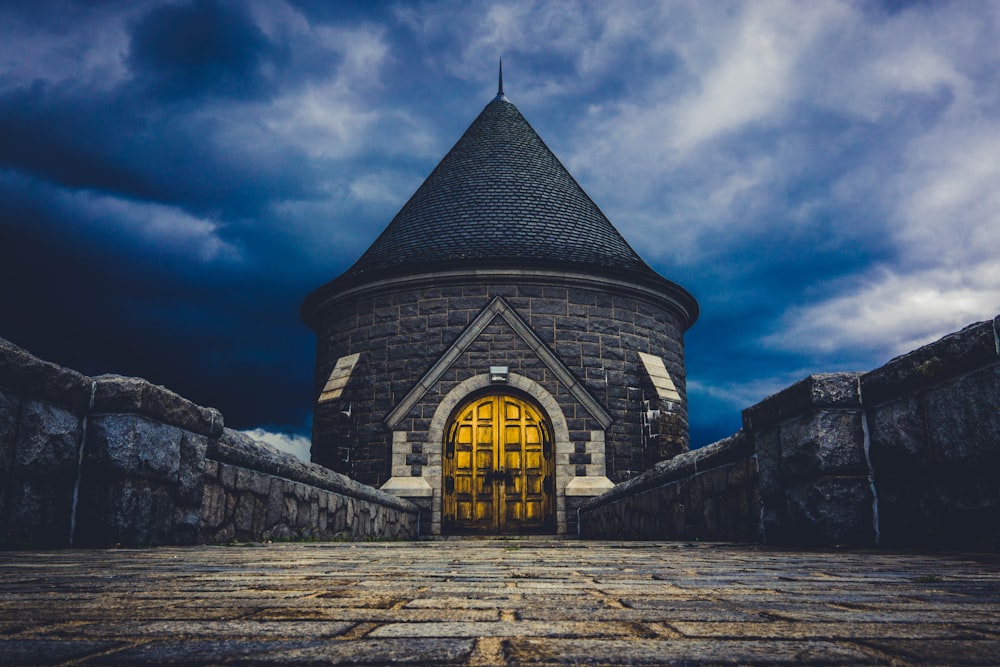
Preserving the Historic Grandeur of Castle Roofs
Restoring the Legacy
In the realm of architectural wonders, few structures command as much awe and reverence as castles. These magnificent fortresses stand as enduring symbols of history, each with its own tale to tell. At the heart of these majestic edifices lies a crucial element that often goes unnoticed – the castle roof. Bearing the weight of centuries, castle roofs have weathered storms, witnessed battles, and silently watched over the passage of time. Yet, despite their resilience, they are not immune to the ravages of age. Hence, the need arises for meticulous restoration to preserve their legacy for generations to come.
Craftsmanship and Precision
Castle roof restoration is not merely a task; it is a labor of love and dedication. Skilled craftsmen, armed with centuries-old techniques and modern innovations, embark on a journey to breathe new life into these ancient structures. Every slate, every tile, every piece of timber is handled with care and precision, ensuring that the integrity of the original design is maintained. It is a meticulous process that requires patience, expertise, and an unwavering commitment to excellence.
Honoring Tradition
At the heart of castle roof restoration lies a deep respect for tradition and heritage. Each castle tells a story – of kings and queens, knights and nobles, triumphs and tragedies. Preserving these stories is not just about maintaining the physical structure; it is about honoring the memories and legacies of those who came before us. Every effort is made to retain the authentic character of the castle roof, from sourcing materials that match the original construction to replicating intricate architectural details with precision.
Protecting History
Beyond its aesthetic appeal, the castle roof plays a vital role in preserving history. It serves as a protective shield, safeguarding the treasures and artifacts housed within the castle walls. A leaky roof or structural damage not only compromises the integrity of the building but also puts priceless artifacts at risk of damage or destruction. Therefore, investing in castle roof restoration is not just an aesthetic choice; it is a commitment to protecting our shared cultural heritage.
Challenges and Solutions
Restoring a castle roof is no small feat. It requires overcoming numerous challenges, from identifying hidden structural issues to navigating complex planning regulations. Each castle presents its own unique set of challenges, requiring innovative solutions tailored to its specific needs. Whether it’s repairing centuries-old masonry, replacing deteriorated roofing materials, or reinforcing weakened foundations, every aspect of the restoration process demands careful consideration and expert execution.
Community Engagement
Castle roof restoration is not just about preserving a building; it’s about enriching communities and fostering a sense of pride and belonging. It is a collaborative effort that brings together architects, historians, craftsmen, and local communities to ensure that the restoration reflects the values and aspirations of the people it serves. Community engagement plays a crucial role in the restoration process, from soliciting input on design decisions to organizing educational programs and heritage tours.
Sustainability and Longevity
Maintenance Magic Caring for Your Vacation Getaway

Essential Tips for Maintaining Your Vacation Home
Introduction
Owning a vacation home is a dream for many, offering a retreat from the hustle and bustle of daily life. However, maintaining a vacation property comes with its own set of challenges. From regular upkeep to seasonal preparations, ensuring your getaway stays in top condition is essential for long-term enjoyment. In this article, we’ll explore some essential tips to help you maintain your vacation home and preserve its value for years to come.
Regular Inspections and Maintenance
Just like your primary residence, your vacation home requires regular inspections and maintenance to prevent small issues from turning into costly repairs. Schedule routine visits to check for leaks, pest infestations, and signs of wear and tear. Addressing minor issues promptly can save you time and money in the long run and keep your vacation home in optimal condition.
Seasonal Preparations
Depending on the climate and location of your vacation home, seasonal preparations are crucial to protect it from the elements. Before the onset of winter, make sure to winterize your property by draining outdoor pipes, insulating exposed plumbing, and sealing windows and doors to prevent heat loss. In warmer climates, prepare for hurricane season by securing outdoor furniture, trimming trees, and reinforcing windows and doors.
Invest in Professional Services
While some maintenance tasks can be DIY projects, certain jobs are best left to the professionals. Consider hiring licensed contractors for tasks such as roof repairs, electrical work, and HVAC servicing. Investing in professional services ensures that the job is done correctly and safely, giving you peace of mind knowing that your vacation home is in expert hands.
Create a Maintenance Schedule
To stay on top of maintenance tasks and prevent them from piling up, create a comprehensive maintenance schedule for your vacation home. This schedule should include regular tasks such as cleaning gutters, servicing HVAC systems, and inspecting fire extinguishers. By following a consistent maintenance schedule, you can catch potential issues early and keep your vacation home running smoothly.
Protect Against Natural Disasters
Depending on the location of your vacation home, it may be susceptible to natural disasters such as floods, wildfires, or earthquakes. Take proactive measures to protect your property by investing in appropriate insurance coverage and implementing disaster preparedness plans. Install smoke detectors, carbon monoxide alarms, and fire extinguishers, and keep emergency supplies stocked in case of evacuation.
Implement Security Measures
Vacation homes are often targets for burglaries and vandalism, especially during periods of vacancy. Implementing security measures such as installing motion-activated lights, security cameras, and alarm systems can deter potential intruders and protect your property when you’re away. Additionally, consider enlisting the help of neighbors or hiring a property management company to keep an eye on your vacation home during periods of absence.
Preserve Your Investment
Your vacation home is not only a source of relaxation and enjoyment but also a significant financial investment. By implementing these essential maintenance tips, you can preserve the value of your property and ensure that
Unveiling the True Cost of Annual Home Maintenance
Navigating the Financial Landscape of Home Maintenance
Understanding the True Cost
Home maintenance is an inevitable part of homeownership, yet many are unaware of the true extent of its financial implications. Beyond the mortgage payments and utility bills lies a realm of expenses associated with keeping a property in top condition. Understanding the true cost of home maintenance is essential for financial planning and budgeting.
Breaking Down the Expenses
When it comes to home maintenance, expenses can vary widely depending on factors such as the size and age of the property, its location, and the specific features it possesses. From routine upkeep tasks like lawn care and HVAC system maintenance to unexpected repairs such as roof leaks or plumbing issues, the expenses can quickly add up. It’s crucial to break down these expenses to gain a clear understanding of where the money goes.
Creating a Comprehensive Budget
To effectively manage home maintenance expenses, it’s essential to create a comprehensive budget that accounts for both routine upkeep and unexpected repairs. Start by listing all the recurring maintenance tasks your home requires annually, along with their estimated costs. Next, allocate funds for emergency repairs or unexpected issues that may arise throughout the year. By creating a budget tailored to your specific needs, you can better manage your finances and avoid financial strain.
Prioritizing Maintenance Tasks
Not all maintenance tasks are created equal, and prioritizing them based on urgency and importance can help you allocate your resources more effectively. While some tasks may be purely cosmetic, others may be critical for the safety and structural integrity of your home. By prioritizing maintenance tasks, you can ensure that essential repairs are addressed promptly while delaying less critical projects until you have the necessary funds available.
Exploring Cost-Saving Strategies
While home maintenance is an unavoidable expense, there are several strategies you can employ to minimize costs without sacrificing the quality of care for your property. Regular preventative maintenance, such as cleaning gutters and servicing appliances, can help identify issues early, reducing the likelihood of costly repairs down the line. Additionally, investing in energy-efficient upgrades and appliances can lead to long-term savings on utility bills and maintenance costs.
Seeking Professional Advice
While some homeowners may be inclined to tackle maintenance tasks themselves to save money, it’s essential to recognize when professional intervention is necessary. Certain tasks, such as electrical work or roof repairs, are best left to trained professionals to ensure safety and quality craftsmanship. By seeking professional advice and assistance when needed, you can avoid costly mistakes and ensure that your home receives the care it deserves.
Budgeting for the Long Term
In addition to budgeting for annual maintenance expenses, it’s essential to consider the long-term costs associated with homeownership. This includes setting aside funds for major renovations or upgrades that may be necessary as your home ages. By budgeting for the long term, you can avoid financial surprises and ensure that your home remains in top condition for years to come.
Monitoring and Adjusting
Top Tips for Effective Home Electrical Maintenance

Essential Home Electrical Maintenance Tips
Understanding the Importance of Home Electrical Maintenance
Maintaining the electrical systems in your home is not just about convenience; it’s about safety. Neglecting electrical maintenance can lead to serious hazards like electrical fires or electrocution. By understanding the importance of home electrical maintenance, you can protect your property and loved ones from potential dangers.
Regular Inspections: A Proactive Approach
One of the most crucial aspects of home electrical maintenance is conducting regular inspections. Look for signs of wear and tear such as frayed wires, loose outlets, or flickering lights. Inspect your circuit breaker panel to ensure it’s properly labeled and functioning correctly. Identifying issues early on can prevent costly repairs or accidents in the future.
Safety Measures: Prioritize Your Well-Being
When it comes to working with electricity, safety should always be your top priority. Before attempting any electrical maintenance tasks, make sure to turn off the power to the area you’ll be working on. Use insulated tools and wear protective gear like gloves and goggles. If you’re unsure about a particular task, it’s best to hire a qualified electrician to handle it.
DIY vs. Professional Assistance: Knowing Your Limits
While there are many electrical maintenance tasks that homeowners can tackle on their own, some jobs are best left to the professionals. Complex wiring projects or repairs involving the main electrical panel should always be handled by a licensed electrician. Don’t hesitate to seek professional assistance if you’re unsure about the complexity of a task or if it involves working with high voltage.
Upgrading for Safety and Efficiency
As technology advances, so do electrical standards and safety features. Consider upgrading outdated electrical components in your home to improve safety and energy efficiency. Installing ground fault circuit interrupters (GFCIs) in bathrooms, kitchens, and outdoor areas can help prevent electrical shocks. Similarly, replacing old wiring or upgrading to energy-efficient lighting can reduce the risk of electrical hazards and lower your utility bills.
Creating a Maintenance Schedule
To ensure that your home’s electrical system remains in optimal condition, it’s essential to establish a regular maintenance schedule. Set reminders to inspect outlets, switches, and electrical appliances periodically. Schedule professional inspections every few years to assess the overall condition of your electrical system and address any potential issues before they escalate.
Educating Yourself: Knowledge is Power
Empower yourself with knowledge about home electrical maintenance. Familiarize yourself with the basic principles of electricity, safety protocols, and common electrical problems. Understanding how your home’s electrical system works can help you identify issues early on and make informed decisions about maintenance and repairs.
Investing in Preventive Measures
Prevention is key when it comes to home electrical maintenance. Invest in preventive measures such as surge protectors to safeguard your electronic devices from power surges. Consider installing smoke detectors and carbon monoxide alarms throughout your home to provide early warnings in case of emergencies. These proactive steps can help mitigate risks and ensure the safety of your household.
Staying Vigilant: Signs to Watch Out For
Be
Preserving the Charm Log Home Maintenance Essentials

Log homes exude a rustic charm that’s hard to beat. But maintaining that allure requires effort and dedication. From battling the elements to preserving the integrity of the timber, log cabin maintenance is an ongoing task. Here’s a comprehensive guide to keeping your log home in top condition.
Understanding Log Home Decay Causes
First things first, it’s crucial to understand what causes decay in log homes. Moisture is the primary culprit. Rain, snow, and even humidity can seep into the wood, leading to rot and deterioration. Additionally, insects like termites and carpenter ants are attracted to damp wood, further exacerbating the problem. By identifying these causes, you can take proactive steps to prevent decay.
Essential Tips for Log Cabin Care
Regular maintenance is key to preserving the beauty and structural integrity of your log cabin. Start by inspecting the exterior for signs of damage or wear, such as cracks, gaps, or discoloration. Seal any gaps with caulking or chinking to prevent water infiltration. Additionally, apply a fresh coat of stain or sealant every few years to protect the wood from moisture and UV damage.
Weatherproofing Strategies for Log Structures
Weatherproofing your log home is essential for withstanding the elements. Start by ensuring your roof is in good condition and free of leaks. Install gutters and downspouts to divert water away from the foundation. Consider adding overhangs or porches to provide extra protection from rain and snow. And don’t forget to trim any overhanging branches that could potentially damage your home during storms.
Preserving the Charm: Log Home Maintenance Essentials
Maintaining the charm of your log home goes beyond just structural upkeep. Pay attention to the interior as well, keeping an eye out for signs of moisture or mold. Proper ventilation is crucial for preventing condensation and mold growth, so consider installing fans or vents in high-moisture areas like bathrooms and kitchens. Additionally, inspect and clean your chimney regularly to prevent creosote buildup and reduce the risk of chimney fires.
DIY Log Cabin Maintenance Made Easy
Many aspects of log cabin maintenance can be tackled as DIY projects. From simple repairs to routine upkeep, there are plenty of tasks you can handle on your own. Invest in quality tools and materials, and educate yourself on proper techniques to ensure the best results. And don’t hesitate to seek advice from professionals or online resources if you encounter any challenges along the way.
Yearly Checklist for Log Cabin Maintenance
To stay on top of log cabin maintenance, create a yearly checklist of tasks to tackle. This might include inspecting and resealing the exterior, cleaning and inspecting the chimney, checking for signs of pests, and refreshing the stain or sealant as needed. By breaking down maintenance into manageable tasks and scheduling them throughout the year, you can ensure your log home stays in top condition for years to come.
Protecting Your Log Home Investment
Your log home is more than just a place to live—it’s an investment. Protecting that investment requires diligence and care.
Spring Into Action Essential Home Maintenance Tips

Spring House Maintenance: Keeping Your Home Fresh and Functional
Introduction
As the winter chill fades away and the first signs of spring emerge, it’s time to turn our attention to our homes. Spring isn’t just about flowers blooming and birds chirping; it’s also the perfect opportunity to give our homes some much-needed care and attention. From cleaning out the winter grime to inspecting for any potential issues, spring house maintenance is essential for keeping our living spaces fresh, functional, and safe.
Inspect Your Roof and Gutters
The arrival of spring is the ideal time to inspect your roof and gutters for any damage that may have occurred during the winter months. Harsh weather conditions such as snow, ice, and heavy winds can take a toll on your roof, leading to leaks and other problems. Take the time to visually inspect your roof for missing or damaged shingles, and ensure that your gutters are clear of debris to prevent water damage to your home’s foundation.
Check Your HVAC System
After months of heavy use during the winter, your HVAC system could probably use some attention. Schedule a professional inspection and servicing to ensure that your heating and cooling systems are running efficiently and safely. This will not only help improve the comfort of your home but also extend the lifespan of your HVAC equipment, saving you money in the long run.
Clean and Declutter
Spring cleaning isn’t just a cliché; it’s an essential part of maintaining a healthy and happy home. Take the time to declutter each room, getting rid of any items that you no longer need or use. Then, roll up your sleeves and give your home a thorough cleaning, from top to bottom. Don’t forget to tackle often-overlooked areas such as baseboards, light fixtures, and ceiling fans.
Inspect Your Plumbing
Winter weather can wreak havoc on your plumbing system, so it’s crucial to inspect for any leaks or damage as part of your spring maintenance routine. Check for dripping faucets, running toilets, and signs of water damage under sinks and around appliances. Addressing any plumbing issues promptly can help prevent costly repairs down the line and conserve water in the process.
Test Your Smoke and Carbon Monoxide Detectors
Your family’s safety is paramount, so don’t overlook the importance of testing your smoke and carbon monoxide detectors regularly. Replace the batteries if needed and test each detector to ensure that they are functioning correctly. This simple task could save lives in the event of a fire or carbon monoxide leak, so make it a priority as part of your spring maintenance checklist.
Inspect Your Exterior
The exterior of your home has likely taken a beating over the winter months, so it’s essential to inspect for any damage and make necessary repairs. Check for cracks in the foundation, damaged siding or brickwork, and signs of pest infestation. Addressing these issues promptly will help protect your home from further damage and maintain its curb appeal.
Landscape Maintenance
Spring is the perfect
Essential Building Envelope Maintenance Tips for Homeowners

Understanding the Building Envelope
The building envelope serves as the barrier between the interior and exterior environments of a structure. It includes elements such as walls, windows, doors, roofs, and foundations. Understanding the components of the building envelope is crucial for effective maintenance.
Regular Inspection and Maintenance
Regular inspection and maintenance of the building envelope are essential to identify and address potential issues before they escalate. Homeowners should schedule annual inspections to check for signs of damage, such as cracks, leaks, or deterioration, and promptly address any issues that arise.
Addressing Water Intrusion
Water intrusion is one of the most common issues affecting building envelopes. Even small leaks can lead to significant damage over time, including mold growth, structural deterioration, and compromised indoor air quality. Homeowners should prioritize addressing water intrusion issues promptly to prevent costly repairs down the line.
Sealing and Caulking
Sealing and caulking are crucial aspects of building envelope maintenance, as they help prevent air and water infiltration. Inspect windows, doors, and other openings regularly for gaps or cracks, and seal them with weather-resistant caulk or sealant as needed. This simple step can help improve energy efficiency and indoor comfort while preventing water damage.
Maintaining Exterior Surfaces
Exterior surfaces, such as walls and roofs, are exposed to the elements and require regular maintenance to stay in good condition. Clean exterior surfaces periodically to remove dirt, debris, and organic growth, which can compromise the integrity of the building envelope. Repair any damaged or deteriorating surfaces promptly to prevent further damage.
Ensuring Proper Drainage
Proper drainage is essential for protecting the building envelope from water damage. Ensure that gutters and downspouts are clear of debris and functioning properly to channel rainwater away from the structure. Grade the landscape around the foundation to promote water drainage away from the building and prevent pooling near the foundation.
Inspecting Roofing Materials
The roof plays a critical role in protecting the building envelope from water intrusion and other environmental factors. Inspect the roof regularly for signs of damage, such as missing or damaged shingles, flashing, or seals. Address any issues promptly to prevent water infiltration and prolong the lifespan of the roof.
Investing in Professional Inspections
While homeowners can perform routine maintenance tasks themselves, investing in professional inspections can provide added peace of mind and help identify potential issues that may go unnoticed. Consider hiring a qualified inspector to assess the condition of the building envelope and recommend any necessary repairs or improvements.
Prioritizing Energy Efficiency
In addition to protecting the structure from water intrusion and other damage, building envelope maintenance can also contribute to energy efficiency. Proper insulation, air sealing, and window treatments can help reduce energy consumption and lower utility bills. Consider investing in energy-efficient upgrades to enhance comfort and sustainability.
Staying Proactive and Prepared
Building envelope maintenance is an ongoing process that requires proactive attention and regular upkeep. By staying proactive and addressing maintenance tasks promptly, homeowners can protect their investment, maintain indoor
Practical Ways to Stop Your Mixer Tap from Leaking

How to Fix a Leaking Mixer Tap Easily
Understanding the Issue
Leaking mixer taps can be a nuisance, causing water wastage and potentially leading to more significant plumbing problems if left unattended. Before diving into repairs, it’s crucial to understand the source of the leak. Often, it’s a worn-out washer or O-ring within the tap mechanism that needs replacing.
Gathering Necessary Tools and Materials
Before embarking on the repair journey, gather all the necessary tools and materials. You’ll typically need an adjustable wrench, screwdriver (both flathead and Phillips), replacement washers or O-rings, plumber’s tape, and perhaps a flashlight for better visibility under the sink.
Turning Off the Water Supply
Safety first! Before starting any work, turn off the water supply to the affected tap. You can usually find isolation valves beneath the sink. Turn them clockwise to shut off the water flow. It’s also a good idea to plug the drain to prevent small parts from accidentally falling down.
Disassembling the Tap
Using your screwdriver, carefully remove the handle of the leaking tap. This will grant you access to the inner workings of the tap. Take note of the arrangement of components as you disassemble to ensure you can put everything back together correctly later.
Inspecting and Replacing Washers or O-rings
Once you’ve reached the internals of the tap, inspect the washers and O-rings for signs of wear or damage. These are often the culprits behind a leaking mixer tap. If they appear worn out, carefully remove and replace them with new ones. Ensure you select replacements that match the size and shape of the old ones precisely.
Applying Plumber’s Tape
Before reassembling the tap, it’s wise to apply plumber’s tape to the threaded parts to create a watertight seal. Wrap the tape around the threads in a clockwise direction, overlapping the tape as you go. This will help prevent future leaks and ensure a snug fit when reassembling the tap.
Reassembling and Testing
Once you’ve replaced any faulty components and applied plumber’s tape, carefully reassemble the tap in the reverse order of disassembly. Make sure all parts are fitted snugly but not overly tightened, as this could cause damage. Once reassembled, turn the water supply back on and test the tap for leaks. If all went well, your tap should now be drip-free!
Additional Tips and Considerations
- If you encounter any difficulties during the repair process, don’t hesitate to consult online tutorials or seek professional help.
- Regular maintenance of your taps can help prevent leaks in the future. Consider performing simple inspections and minor repairs as needed to avoid more significant issues down the line.
- If you’re uncomfortable or unsure about tackling the repair yourself, don’t hesitate to call a licensed plumber for assistance. It’s better to address the issue promptly and effectively than to risk causing further damage.
Conclusion
Repairing a leaking mixer tap doesn’t have to be a daunting task. With the right tools, materials, and a bit of know-how, you can easily tackle the job yourself
Essential Bay Area Maintenance Tips for Homeowners

Proactive Strategies for Bay Area Maintenance
Understanding the Importance of Maintenance
Maintaining a property in the Bay Area is more than just a chore; it’s a strategic investment in preserving its value and ensuring long-term viability. By understanding the importance of regular maintenance, homeowners can protect their investments and enjoy peace of mind.
Exterior Maintenance: Protecting Your Property’s First Impression
The exterior of your property is the first thing visitors and potential buyers see. Regular maintenance of your lawn, landscaping, and exterior surfaces is essential for creating a positive first impression. This includes tasks such as mowing the lawn, trimming bushes, and power washing the siding to remove dirt and grime.
Roof and Gutter Maintenance: Preventing Costly Water Damage
The Bay Area’s climate can be unpredictable, with heavy rains and occasional storms. Proper maintenance of your roof and gutters is crucial for preventing water damage to your property. Regularly inspect your roof for signs of damage or wear and clean out gutters to ensure proper drainage and prevent water from seeping into your home.
HVAC System Maintenance: Ensuring Comfort and Efficiency
Your HVAC (heating, ventilation, and air conditioning) system plays a vital role in maintaining comfort levels inside your home. Regular maintenance, including changing air filters, cleaning ducts, and scheduling professional inspections, can improve system efficiency, prolong its lifespan, and prevent costly repairs down the line.
Plumbing and Electrical Maintenance: Preventing Emergencies
Plumbing and electrical issues can quickly escalate from minor annoyances to major emergencies if left unchecked. Regularly inspecting plumbing fixtures, checking for leaks, and addressing electrical issues can prevent costly repairs and potential safety hazards.
Appliance Maintenance: Extending Lifespan and Efficiency
Appliances such as refrigerators, dishwashers, and washing machines are essential components of modern living. Regular maintenance, including cleaning coils, checking seals, and inspecting hoses, can extend their lifespan and improve energy efficiency, saving you money on utility bills in the long run.
Structural Maintenance: Addressing Wear and Tear
Over time, structural elements of your property may experience wear and tear due to factors such as weathering, settling, and aging. Regular inspections of foundation, walls, and structural supports can help identify issues early on and prevent them from escalating into costly repairs.
Pest Control: Protecting Against Unwelcome Intruders
Pests such as termites, rodents, and insects can wreak havoc on your property if left unchecked. Regular pest control measures, including sealing cracks and crevices, removing food sources, and scheduling professional inspections, can prevent infestations and preserve the integrity of your home.
Emergency Preparedness: Planning for the Unexpected
Despite your best efforts at maintenance, emergencies can still occur. Having a plan in place for emergencies such as fires, floods, or earthquakes is essential for protecting your property and ensuring the safety of your family. This includes having emergency supplies on hand, knowing evacuation routes, and staying informed about local emergency procedures.
Investing in Professional Maintenance Services: Expertise Matters
While many maintenance tasks can be tackled by homeowners themselves, some may require the expertise of professionals. Investing in professional maintenance services
Comprehensive Solutions for Home Maintenance Needs

Expert Tips for Comprehensive Home Maintenance
Understanding the Importance of Comprehensive Maintenance
Maintaining a home is more than just fixing a leaky faucet or mowing the lawn. It’s about ensuring that every aspect of your property is in top condition, from the foundation to the roof. Comprehensive home maintenance involves proactive strategies to prevent issues before they arise, saving you time, money, and stress in the long run.
The Basics: Routine Inspections and Checks
Regular inspections are the cornerstone of comprehensive home maintenance. Schedule periodic checks of your plumbing, electrical systems, HVAC, and structural integrity. Look for signs of wear and tear, leaks, cracks, or pests. Catching problems early can prevent them from escalating into costly repairs later on.
Exterior Maintenance: Protecting Your Home’s First Impression
The exterior of your home is its first line of defense against the elements. Regularly inspect and maintain the exterior, including cleaning gutters, repairing cracks in the foundation, and sealing gaps around windows and doors. Additionally, keep up with landscaping tasks such as trimming trees and bushes to prevent damage to your home’s exterior.
Interior Upkeep: Creating a Comfortable Living Space
Don’t overlook the importance of interior maintenance. From plumbing and electrical systems to appliances and fixtures, there are many components within your home that require regular attention. Stay on top of tasks such as changing air filters, testing smoke detectors, and inspecting for signs of water damage.
Investing in Preventative Measures
Prevention is key when it comes to home maintenance. Consider investing in preventative measures such as installing a sump pump to prevent basement flooding, applying sealant to protect surfaces from water damage, and adding insulation to improve energy efficiency. These proactive measures can save you time and money in the long run.
DIY vs. Professional Help: Knowing When to Call in the Experts
While there are many home maintenance tasks you can tackle yourself, it’s important to know your limits. Some projects, such as electrical repairs or structural work, are best left to the professionals. Know when to DIY and when to call a licensed contractor to ensure the job is done safely and correctly.
Staying Organized: Creating a Maintenance Schedule
With so many tasks to keep track of, it’s easy to let home maintenance slip through the cracks. Stay organized by creating a maintenance schedule that outlines tasks to be completed on a monthly, quarterly, and annual basis. Set reminders on your calendar or use a home maintenance app to stay on track.
Budgeting Wisely: Planning for Maintenance Costs
Home maintenance costs can add up quickly, but they’re a necessary investment in the long-term health of your home. Budget wisely for maintenance expenses by setting aside a portion of your monthly budget for routine upkeep and saving for unexpected repairs. Remember, it’s often more cost-effective to address issues early rather than waiting for them to worsen.
Staying Informed and Educated
The world of home maintenance is constantly evolving, with new technologies and techniques emerging all the time. Stay informed and educated
